The XPSMCMCP0802 is a configurable safety controller used in machinery applications where dependable components and careful integration matter. Choosing a supplier involves more than comparing prices. Buyers should check product authenticity, stock status, documentation, warranty terms, and the supplier’s ability to support international delivery. Small details matter. A clear product label and matching part number can prevent costly delays.
This guide compares ten suppliers for global buyers seeking the XPSMCMCP0802. It focuses on practical checks: traceable sourcing, responsive technical support, realistic lead times, and clear quotations. A low price may look attractive, but it tells only part of the story. Verify the exact model, condition, and included documentation before placing an order. Ask direct questions. Keep the answers on record.
To make the buying principle clear, this article uses a fictional composite specialist, Alex Morgan; the following line is editorial, not a verified quotation: “A reliable purchase starts with a verifiable part number and a supplier willing to answer specific questions.” Use that standard when reviewing each company. Supplier listings and availability can change, so confirm current details independently. This shortlist is a starting point, not a substitute for technical review. The best choice is the one that fits your project’s requirements and can support the order with credible information.
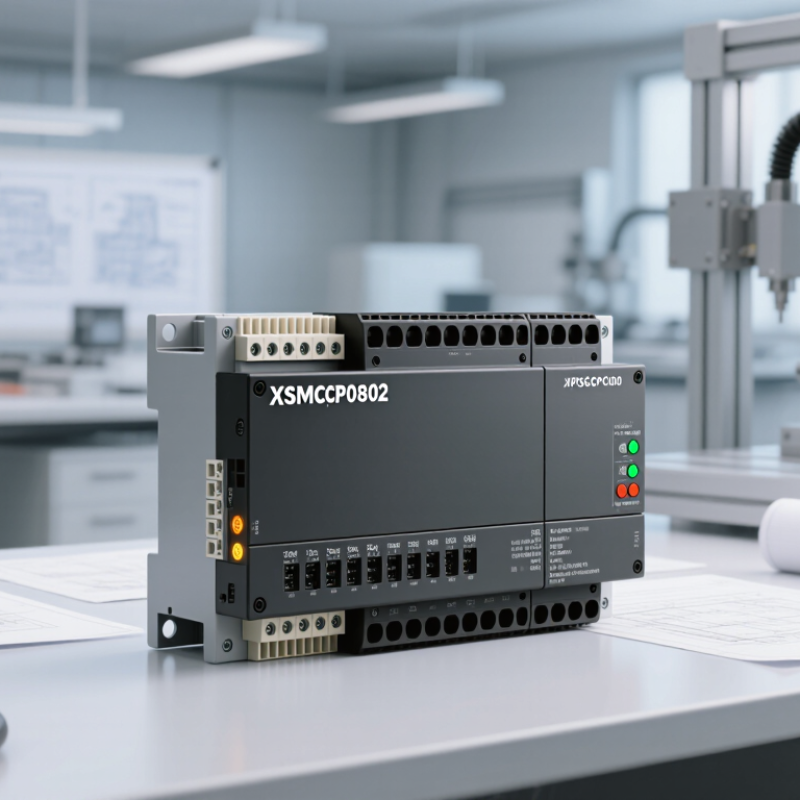
The XPSMCMCP0802 is a configurable safety-control processor for modular machine-safety systems. It coordinates safety inputs and outputs, helping a machine respond when a guard opens or an emergency stop is pressed. In practice, engineers must check the exact module configuration, compatible expansion units, wiring, and diagnostic features before specifying it. A model number alone is not enough.
Industrial automation makes these checks increasingly relevant. The International Federation of Robotics reported
4,281,585 industrial robots operating worldwide in 2023, with 541,302 newly installed that year in World Robotics 2024.
Robots, conveyors, and automated cells often need safety functions designed around their specific hazards. Still, adding a safety controller does not make a machine safe by itself. Risk assessment, validation, and careful commissioning matter.
A loose terminal can undo good planning. Maintenance teams should also understand fault indications and test procedures, not just the original design.
Some installations look straightforward on paper; real production lines are less tidy.
When comparing global suppliers for the XPSMCMCP0802, begin with product identity and traceability. Ask for clear photographs of the unit, its label, packaging, and any available batch documentation. Check the exact part number against the technical documentation for your intended system. Small details matter. A suffix or condition difference can affect compatibility and commissioning. Request written confirmation that the item is new, refurbished, or surplus, rather than relying on a vague listing. Ask for evidence.
Next, assess whether the supplier can support the shipment after payment. Confirm stock location, dispatch time, packaging method, and delivery terms in writing. For cross-border orders, request accurate commercial documents and clarify who handles duties and import charges. A low quote may not include these costs. Check the warranty period, return process, and response time for technical questions. Useful answers should be specific, not simply reassuring. If the supplier cannot explain how they verify condition or handle a discrepancy, pause before ordering. Even experienced buyers can miss small paperwork gaps, so compare the quotation, invoice, and product label before accepting delivery.
Key Criteria for Evaluating Global XPSMCMCP0802 Suppliers
Use this proposed 100-point scorecard to compare suppliers consistently. Prioritize technical conformity and product traceability, then assess availability, warranty, documentation, pricing transparency, and after-sales support. These are recommended evaluation weights, not market-survey results.
A regional automation distributor may source the XPSMCMCP0802 through established industrial channels and offer local support. A control-system specialist can help check whether the unit matches a buyer’s existing installation. An electrical wholesaler may combine it with related panel components, reducing separate shipments. An export-focused supplier may handle international packing and shipping documents. A maintenance-parts supplier can be useful when a plant needs a replacement quickly. Ask each to confirm stock status in writing.
A panel-building firm may understand installation requirements and provide practical compatibility guidance. An industrial marketplace can expose buyers to several offers, but listings need careful checking. A procurement agent may coordinate suppliers, payment, and freight across borders. A surplus-stock dealer could have older or unopened inventory; request clear condition details and photographs. A regional trading company may simplify communication and consolidate orders, though its sourcing route should be transparent. Details matter.
For every profile, request the exact part number, condition, available documentation, and a written quotation. Check whether the seller can provide traceable purchase records and explain its return process. International buyers should also confirm shipping terms, delivery estimates, and who handles import paperwork. A low price can be attractive, but it tells little about provenance or support. I would not treat a polished listing as proof. Even a careful review cannot remove every sourcing uncertainty, so keep supplier responses and order records together.
When comparing suppliers for XPSMCMCP0802, check more than the listed price. Confirm the exact part number, product condition, and included documentation before requesting a quote. A clear listing should state whether the item is new, refurbished, or surplus. Lead time matters.
Availability can change quickly, especially for specialized components. Ask suppliers to confirm stock in writing and provide an estimated dispatch date. Compare shipping charges, packaging details, and return terms alongside the unit price. A low quote may not be the lowest total cost once freight and delays are included.
Support is another useful measure. Look for prompt, specific answers about compatibility, traceability, warranty coverage, and replacement options. Ask what documents accompany the product, such as inspection records or a certificate of conformity, when relevant to your purchasing requirements. Keep the replies with your order records. If answers are vague, that is worth noticing. I would not treat a fast response as proof of technical expertise; ask a practical question and assess the detail. Supplier comparisons are imperfect, and availability can shift between inquiry and purchase. A dated quotation helps make the comparison fairer.
This is a comparison of supplier channels, not named companies or verified live offers. Stock, price, lead time, and support vary by seller and destination; confirm them directly before ordering.
| Supplier channel | Availability to check | Pricing approach | Support to look for | Best suited for | Buyer verification |
|---|---|---|---|---|---|
| Authorized automation distributor | Request a live stock check and a confirmed ship date for the exact part number. | Usually quote-based or account-based; compare the delivered cost, not just the item price. | Ask about product traceability, returns, and access to technical assistance. | Buyers prioritizing documented sourcing and established sales support. | Confirm authorization, exact part number, condition, warranty, and shipping destination. |
| Manufacturer direct sales channel | Availability may depend on the destination and the manufacturer’s regional sales process. | Request a formal quotation; verify taxes, freight, and any order minimums. | Ask which technical and after-sales services are available in the buyer’s region. | Projects requiring a clear route to manufacturer-level product information. | Verify regional ordering eligibility, lead time, and return terms in writing. |
| Industrial automation specialist | Stock may vary; obtain written confirmation before making schedule commitments. | Compare item price, shipping, and any sourcing or handling charges. | Look for help checking the part number and coordinating related automation components. | Buyers who need product-focused assistance alongside procurement. | Request the item’s condition, origin documentation, warranty, and dispatch estimate. |
| Machine-safety specialist | Ask whether the exact model is stocked or must be sourced to order. | Request a quote that separates product cost from any engineering or service fees. | Check whether support covers selection and integration; do not assume it includes safety validation. | Applications where machine-safety expertise is important to the purchase. | Confirm the scope and qualifications of any offered engineering service. |
| Regional electrical distributor | Check local warehouse availability and whether stock can be transferred between branches. | Ask for a regional quote including applicable taxes and delivery charges. | Confirm product-specific support, rather than general electrical-sales assistance alone. | Buyers seeking local ordering, invoicing, or delivery options. | Verify the exact model, delivery date, return policy, and warranty coverage. |
| Authorized online catalog seller | Online stock indicators can change; confirm availability and dispatch timing before payment. | Compare the checkout total, including shipping, duties, and taxes where applicable. | Review the seller’s contact options and process for technical and order questions. | Buyers who value online ordering and clear checkout information. | Check seller identity, product listing details, return terms, and shipment tracking. |
| Maintenance, repair, and operations (MRO) distributor | Ask whether the item is held in stock or sourced after order placement. | Compare the quoted price with the total cost of meeting the required delivery date. | Confirm whether support is available for industrial control products specifically. | Organizations consolidating purchases through an existing MRO procurement route. | Verify product condition, traceability documents, and compatibility with the intended system. |
| Surplus or excess-inventory dealer | Availability is typically dependent on the specific lot and may not be replenishable. | Compare price with the added risk of limited warranty or return options. | Ask for clear evidence of condition and a written policy for defective items. | Buyers considering nonstandard sourcing when conventional stock is unavailable. | Request recent photographs, serial or lot details where available, provenance, and warranty terms. |
| Independent automation reseller | Stock and sourcing timelines vary by reseller; obtain a dated written confirmation. | Request a complete quotation and check whether the price includes sourcing fees. | Assess response times and the reseller’s process for handling technical or warranty claims. | Buyers comparing additional sourcing options beyond their usual distributors. | Verify business details, product condition, traceability, returns, and payment protections. |
| Industrial B2B marketplace seller | Listings may represent seller-reported inventory; confirm stock directly with the seller. | Compare the full landed cost and review any marketplace transaction fees. | Check who handles technical questions, returns, and warranty claims: the seller or the platform. | Buyers using marketplace tools to discover and compare multiple offers. | Review seller history, listing specificity, payment safeguards, and written delivery terms. |
A reliable purchase starts with checking the exact XPSMCMCP0802 part number, including any suffix or revision shown on the unit. Ask for current photographs of the label, connectors, and packaging. Compare them with the documentation you already have. Clear answers matter. Request written confirmation of condition, stock location, warranty terms, and return procedures. If the supplier cannot explain where the unit came from, pause before paying. A polished website alone proves little.
Check the supplier’s registered business details and request references for similar industrial components. Confirm that the invoice names the seller, describes the item accurately, and states the agreed price and currency. For international orders, clarify the shipping method, delivery estimate, insurance, and who handles import charges and customs paperwork. Use protective, anti-static packaging where appropriate, and ask for tracking once the parcel ships. Small details count.
Before placing a large order, consider starting with one unit. It may cost more per item, but it can reveal communication or packaging problems early. Keep emails, photographs, and payment records together. Be realistic: even careful checks cannot remove every sourcing risk, and I would not treat a quick reply as proof of quality.
A little doubt is useful. Read the terms before approving the order.
1901 West Main Street
Washington, MO 63090
Main Directory: 1-800-227-4873
Email: sale@pangcofurniture.com

We’re always looking for talented individuals to join our team. Send us your resume using the form below. When a position comes available that matches your skillset, one of our team members will reach out to you.
"*" indicates required fields