China Best Insulated Combination Pliers Supplier?

Choosing the China best insulated combination pliers supplier takes more than comparing prices. The right pair should fit securely in the hand, cut cleanly, and show consistent insulation quality. Look closely at the jaws, pivot, and molded grips. Small flaws matter. A rough hinge can make repeated work tiring, while uneven insulation deserves careful attention.

Electrical educator Mike Holt’s safety teaching can be paraphrased this way: “Insulation is a safeguard, not a reason to relax safe work practices.” This is a paraphrase, not a direct quotation. It reflects an essential point: insulated tools support safe procedures but do not replace training, inspection, or appropriate precautions.

This guide examines how to assess suppliers of Insulated Combination Pliers in China. It considers material selection, manufacturing consistency, product testing, and documentation for applicable standards, including IEC 60900 where relevant. Buyers should ask how insulation is inspected, how batches are traced, and what quality records can be shared. Requesting a sample can reveal details that a product photo cannot, such as grip comfort and jaw alignment. Ask specific questions. Compare the answers.

A polished catalog is not proof of reliable production. Supplier claims still need verification. Some purchasing decisions are less clear than they look, especially when specifications differ between listings. This outline offers a practical way to compare suppliers, spot gaps, and choose a partner with evidence behind its claims.
China Best Insulated Combination Pliers Supplier?

What Are Insulated Combination Pliers?

China Best Insulated Combination Pliers Supplier?
What Are Insulated Combination Pliers?

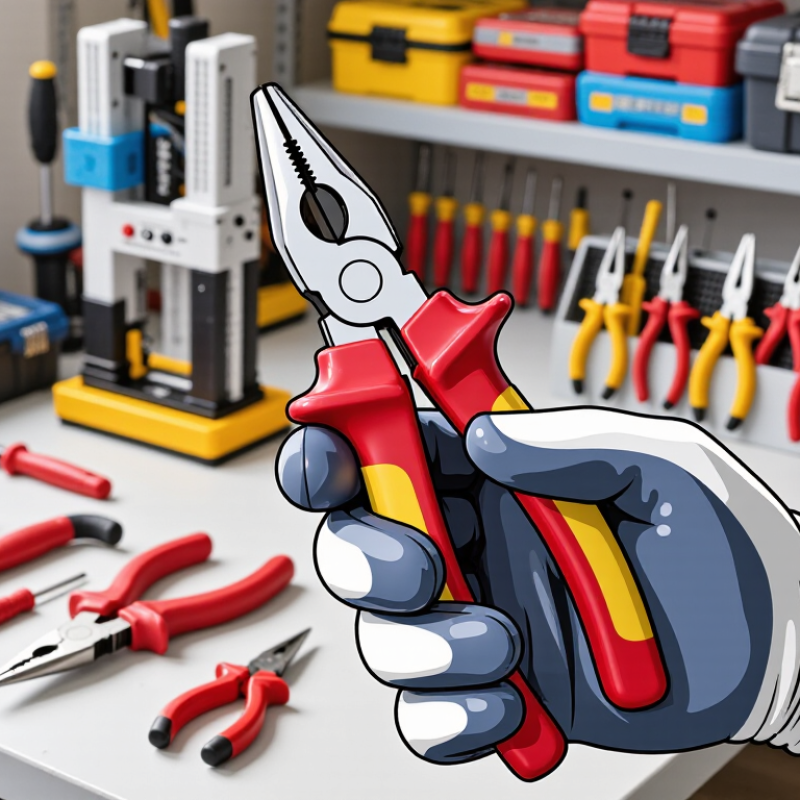
Insulated combination pliers combine gripping jaws, a pivot joint, and cutting edges in one hand tool. Their handles carry a protective insulating covering intended to reduce electrical contact risk during suitable tasks. The metal head still conducts electricity. That detail matters.

IEC 60900:2018 covers insulated hand tools for live working up to 1,000 volts AC and 1,500 volts DC. These figures describe standard voltage limits, not a promise that every tool is safe in every situation. Check the tool’s individual rating, condition, and markings. Cracked insulation, exposed metal, or a loose joint can undermine protection.

OSHA’s 29 CFR 1910.333 generally requires exposed live parts to be deenergized before work, subject to defined exceptions. Insulated pliers do not replace safe work procedures, suitable protective equipment, or training. One easy mistake is trusting a bright handle coating without inspecting it closely. Not magic. For buyers, useful checks include clear certification information, a stated voltage rating, smooth jaw alignment, and insulation that covers the handles without damage. A neat appearance helps, but it cannot prove performance.

How Insulation Ratings and Safety Standards Are Defined

China Best Insulated Combination Pliers Supplier?

How Insulation Ratings and Safety Standards Are Defined

Insulation ratings describe a tool’s intended electrical protection, not permission to work carelessly. For insulated combination pliers, the familiar 1,000 V marking usually refers to the maximum working voltage under specified conditions. IEC 60900 sets requirements for insulated tools used on live parts, including design, marking, and testing. ASTM F1505 is another relevant specification in some markets. Check the standard and edition named in the supplier’s documents. Numbers matter.

Testing voltage is not the same as rated working voltage; a laboratory test applies a higher voltage to assess insulation integrity. Look for permanent voltage markings, a double-triangle symbol where applicable, and clear identification of the standard. On a bench, cuts near the jaw, swelling, or exposed contrasting underlayers are practical warning signs. Remove damaged pliers from service. Ask for conformity records, test reports, and batch traceability rather than relying on a product photo. Storage matters too: oil, heat, and sharp edges can shorten insulation life. Even a neat certificate cannot reveal how a tool was handled yesterday. That gap deserves attention.

Which Features Matter When Selecting a Pair

When selecting insulated combination pliers, start with the work they will perform. The jaws should close evenly and grip a small wire without slipping. Check that the cutting edges meet cleanly, with no visible gaps or rough burrs. Smooth action matters. A stiff pivot can make repeated cuts tiring, while an overly loose joint may feel imprecise.

Inspect the insulation closely. Look for a clear voltage rating and relevant conformity markings, then confirm that the product documentation supports those claims. The coating should be continuous around the handles, without cuts, bubbles, or exposed metal near the grip. Not decoration. Handle shape and texture also affect control, especially when hands are damp or gloved. There is no perfect handle for every hand; try the grip if possible.

A dependable supplier should provide traceable product information, inspection records, and clear guidance on storage and replacement. Ask how damaged insulation is handled, and whether specifications match the tools being delivered. Small details matter. Even good pliers can become unsafe after a sharp edge or heavy impact damages their coating. Insulated tools do not replace safe procedures: isolate power where possible, and never treat a tool’s rating as permission to work carelessly. I might overvalue a comfortable grip at first; documentation deserves equal attention.

China Best Insulated Combination Pliers Supplier? Which Features Matter When Selecting a Pair

IEC 60900 Voltage Benchmarks for Insulated Hand Tools

For insulated tools marked to IEC 60900, the maximum rated working voltage is 1,000 V AC or 1,500 V DC. The 10,000 V AC dielectric test is a test benchmark, not a permitted working voltage. When selecting combination pliers, check the standard marking and voltage rating, then assess grip comfort, jaw fit, cutting performance, and insulation condition.

How to Assess Chinese Insulated Pliers Suppliers

When assessing Chinese insulated pliers suppliers, look beyond catalog photos and low quotations. Ask how each tool is tested, and request records tied to the specific model. A test report should identify the applicable insulation standard, test voltage, date, and testing laboratory. Check that the markings on the pliers match the paperwork. Small mismatches matter. Request samples from a production run, not only polished display pieces. Inspect handle seams, jaw alignment, hinge movement, and grip comfort after repeated use. These details reveal more than a clean brochure.

A capable supplier should explain material controls, inspection steps, and how rejected units are separated. Ask whether insulation thickness and adhesion are checked during production, not just at final inspection. Review traceability: batch numbers should connect finished tools with inspection records and material lots. Factory visits or live video walkthroughs can help show whether processes match written procedures. Still, a remote tour is not proof. Compare sample measurements with the approved drawing, then repeat checks on a later batch. Discuss lead times, replacement handling, and change notifications before ordering. A supplier may answer well, yet one sample can still disappoint. That deserves reflection.

What to Verify Before Placing a Supplier Order

Before ordering insulated combination pliers, request the exact model’s test records, not only a general certificate. IEC 60900:2018 covers insulated tools for work up to 1,000 V AC and 1,500 V DC. Check that the documents identify the tool, test method, date, and production batch. Ask whether each shipment receives visual and dielectric checks. Small details matter. On a sample, inspect the insulation around the jaws and handles for gaps, bubbles, or cuts. Open and close the pliers; the joint should move smoothly, without looseness that shifts the cutting edges.

Also verify jaw dimensions, cutting performance, handle material, packaging, and lot traceability against your written specification. The U.S. Bureau of Labor Statistics recorded 5,283 fatal work injuries in 2023; this figure covers all workplace hazards, not electrical incidents alone. It still underlines why purchasing teams should treat tool documentation and inspection as practical risk controls. A polished certificate cannot prove every delivered unit is sound. Request a pre-shipment sample and agree how defects will be handled. I would not rely on a catalogue image, either. Check that the supplier can connect the sample, test records, and order number before releasing payment.

China Best Insulated Combination Pliers Supplier? - What to Verify Before Placing a Supplier Order

Evaluation Dimension What to Verify Evidence to Request Practical Acceptance Check
Applicable safety standard Confirm that the specific insulated combination pliers are designed and tested to IEC 60900. This standard covers insulated and insulating tools for work on live parts up to 1,000 V AC and 1,500 V DC. A test report or conformity documentation identifying the exact model, standard edition, test scope, and issuing laboratory. Match the model number and product details on the documents to the quotation and sample. Do not rely on a general statement that a factory “complies.”
Product marking Check that the tool carries the required voltage and standard-related markings, along with traceable product identification where applicable. Clear photographs of the actual tool markings and packaging, plus the product specification sheet. Verify that the marked voltage rating and model are consistent with the test documentation and intended application.
Insulation integrity Ask how the insulation is inspected and tested, including checks for cracks, cuts, exposed metal, poor adhesion, or other defects that could compromise protection. Inspection procedure, relevant test records, and sample-inspection results for the offered model. Inspect samples carefully. Do not use damaged insulated tools; electrical testing and use should follow applicable workplace procedures.
Mechanical performance Review the jaw geometry, cutting edges, pivot construction, opening and closing action, and intended wire or gripping applications. Dimensioned drawing, material and process specifications, and test or inspection criteria for the jaws and joint. Compare a production sample with the approved drawing and confirm that the jaws align, move smoothly, and perform the specified task.
Materials and corrosion protection Confirm the stated tool-body material, surface finish, insulation material, and any corrosion-protection process. Material specifications, product data sheet, and relevant incoming-material or finish inspection records. Ensure the documents describe the quoted configuration, not a different size, finish, or product variant.
Factory and production controls Assess whether production, inspection, and traceability processes are clearly defined for the pliers being ordered. Quality-management documentation, process flow, inspection plan, and an explanation of lot or batch identification. Confirm that inspection records can be linked to the shipment or production batch. Treat certifications as supporting evidence, not proof that every item is defect-free.
Independent testing Check whether testing was performed by a competent laboratory and whether the report covers the exact model and relevant requirements. Complete, legible report with laboratory details, test date, methods, results, and product identification. Contact the issuing laboratory through independently verified contact details if report authenticity or scope is uncertain.
Sample approval and order consistency Agree on a reference sample and written specifications before production, including size, insulation color, markings, packaging, and tolerances. Approved sample record, signed specification, purchase-order requirements, and pre-shipment inspection criteria. Make the approved specification part of the purchase order and require notification and approval before any material or design change.
Packaging and handling Verify that packaging protects the jaws and insulation from impact, abrasion, moisture, and contamination during storage and transport. Packaging description, carton details, and photographs of a packed sample or prior shipment configuration. Specify labeling, quantity per package, and any storage or handling requirements in the order.
Commercial and delivery terms Clarify model and quantity, production lead time, inspection rights, delivery terms, payment milestones, warranty, and handling of nonconforming goods. A detailed quotation and purchase-order terms covering specifications, delivery schedule, remedies, and required documents. Resolve differences between the quotation, sample, test documents, and purchase order in writing before making payment or authorizing production.