
How to Choose the Best Intelligent WC Toilet

Choosing an Intelligent Wc Toilet is less about collecting features and more about finding a model that suits your bathroom, routines, and maintenance expectations. A heated seat may feel welcome on a cold morning, while an adjustable wash nozzle can make daily use more comfortable. Yet these features are only useful when the controls are clear and the settings fit the people using them. Small details matter.

Start with the room itself. Measure the available space, check the toilet’s dimensions, and confirm that the water connection and electrical outlet match the manufacturer’s installation guide. Seat height, bowl shape, and clearance around the unit can affect comfort as much as its electronic functions. If measurements or plumbing requirements are unclear, ask a qualified installer before buying. A product page alone may not answer every practical question.

Then compare cleaning, energy use, warranty coverage, and access to replacement parts. Look for specific care instructions, not just broad claims about easy maintenance. Check whether the remote or side controls are simple to reach, and consider how guests or older family members might use them. Not every feature helps. A long list of functions can sound impressive, but it may complicate everyday use. I would not assume the most expensive model is automatically the best; the right choice depends on your needs, budget, and willingness to maintain it. This guide explores the main features and checks that can help you make a more informed decision.
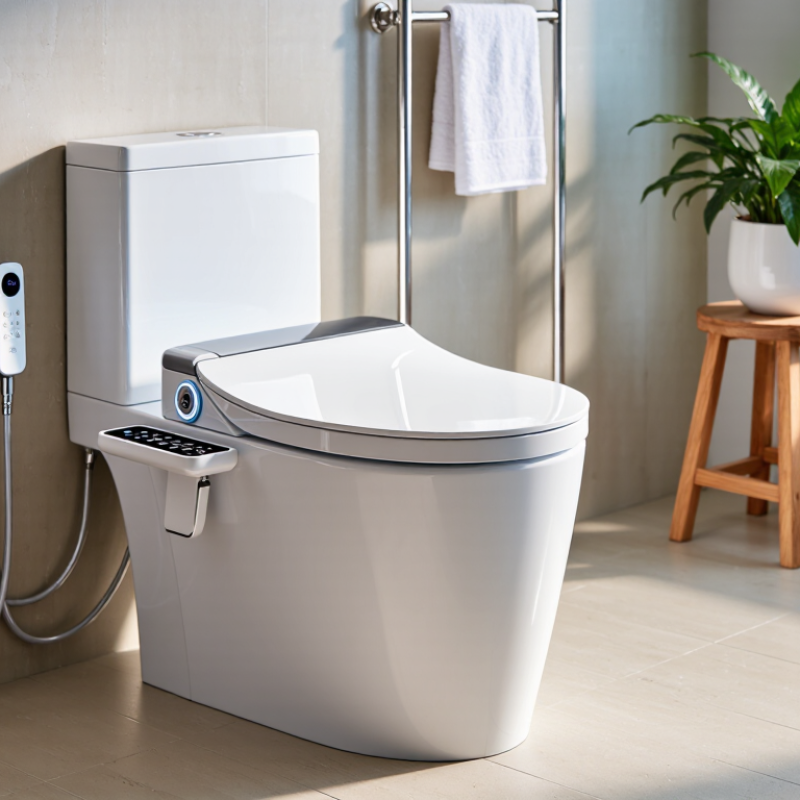
How to Choose the Best Intelligent WC Toilet

Define Intelligent WC Toilet Types and Essential Functions

Intelligent WC toilets generally fall into two types: integrated units and retrofit seats. An integrated unit combines the bowl, controls, and washing functions in one fixture. A retrofit seat adds smart features to a compatible existing toilet. Check the bowl shape, mounting points, and available electrical outlet before choosing; compatibility is easy to overlook.

Essential functions include adjustable water temperature, pressure, and spray position. A heated seat and warm-air dryer can improve comfort, while a clear manual control helps when the remote is misplaced. Some models offer automatic flushing, a night light, or odor control. These extras are convenient, but they should not distract from reliable washing and simple operation. Keep it simple.

Consider maintenance, too. A removable nozzle or easy-access filter can make routine cleaning less awkward. Check whether the toilet needs a particular water pressure, power connection, or minimum clearance. Feature lists can tempt buyers; I would pause there. A function used every day matters more than one that sounds impressive in a showroom. Read the product manual carefully, since features and installation requirements vary. That detail matters.

Compare Flush Volume with EPA WaterSense’s 1.28-gpf Benchmark

When comparing intelligent WC toilets, use 1.28 gallons per flush (gpf) as a practical reference point. EPA WaterSense criteria set this benchmark for efficient toilets while also addressing flushing performance. A model rated at 1.6 gpf uses 0.32 gallon more per full flush. Across five flushes, that adds up to 1.6 gallons. Small difference, repeated daily. Check whether the listed figure applies to a full flush, a reduced flush, or an average of both.

Smart features do not reveal flush volume. Heated seats, automatic lids, and cleansing sprays are separate from the water used to clear the bowl. Check the product specifications for gallons per flush, then compare models using the same flush mode.

Check the fine print. If a toilet offers multiple flush settings, note how much water each uses and whether the lower-volume option is intended for liquid waste only.

Performance matters too: a poor flush may lead to repeat flushing, which can erase water savings. I would not choose by one number alone; it is easy to overlook how household habits affect actual use.

Check Seat Height Against the ADA’s 17–19-Inch Range

When choosing an intelligent WC toilet, check the seat height before comparing extra features. The ADA’s 17–19-inch range is a useful reference for accessible toilet height. It is measured from the finished floor to the top of the seat, not the lid. Measure carefully. A raised base or thick seat can change the final height after installation, so use the manufacturer’s installed-height specifications rather than the bowl height alone.

A seat near 17 inches may feel easier for a shorter person to use, while a taller seat can make sitting and standing simpler for some users. Try the height if possible, and notice whether both feet rest comfortably on the floor. Small details matter. An overly high seat may leave shorter users’ feet dangling; one that is too low can make standing harder. The ADA range is a practical guide, not a guarantee of comfort or a universal requirement for every home. Household needs vary, and a measurement can look right on paper yet feel awkward in daily use. Check the actual dimensions, including the seat, before deciding.

How to Choose the Best Intelligent WC Toilet — Check Seat Height Against the ADA’s 17–19-Inch Range

What to Check Reference or Screening Value How to Verify What It Means for Your Choice
ADA accessible water-closet seat height 17–19 inches (432–483 mm) from the finished floor to the top of the seat Measure the installed toilet with its seat in place, from the finished floor to the seat’s top surface. For projects subject to the ADA Standards, check that the selected fixture meets the applicable requirements. The ADA range is a compliance reference, not a guarantee of personal comfort.
Illustrative measurement: 16.5 inches Below the ADA’s 17-inch lower limit Measure after installation; do not rely only on a product’s nominal bowl-height description. May be too low for someone who finds rising from a low seat difficult. It does not meet the stated ADA seat-height range.
Illustrative measurement: 17 inches At the lower end of the ADA range Confirm the final seat height, including the installed seat, is not below 17 inches. Falls at the lower boundary of the range; compare with the user’s transfer needs and comfort.
Illustrative measurement: 18 inches Within the ADA range Measure vertically from the finished floor to the top of the installed seat. Within the stated range. Test the height when possible, since preferred seat height varies by user.
Illustrative measurement: 19 inches At the upper end of the ADA range Check the installed seat height and confirm it does not exceed 19 inches where the ADA range applies. At the upper boundary; consider whether the user can sit down with feet comfortably supported.
Illustrative measurement: 19.5 inches Above the ADA’s 19-inch upper limit Measure the complete installed fixture rather than the bowl alone. Does not meet the stated ADA seat-height range. A higher seat is not automatically more comfortable or suitable for every user.
Intelligent-toilet seat and added components Use the actual installed seat surface for the height check Account for the seat and any fixed components that affect the final seat surface; verify dimensions with the manufacturer’s product specifications. Compare the installed height with the user’s needs and, where relevant, the applicable accessibility requirements.

Note: The ADA’s 17–19-inch requirement applies to accessible water closets in facilities covered by the ADA Standards; it is not a universal requirement for every home toilet. Local building codes and project requirements may also apply. The measurement examples are screening values, not measurements of specific products.

Verify Electrical Safety, Installation Needs, and Bathroom Fit

Before choosing an intelligent WC toilet, check the electrical setup rather than assuming a nearby outlet is suitable. Read the installation manual for voltage, grounding, circuit, and outlet-location requirements; these vary by model. Ask a qualified electrician to confirm that the wiring and protective devices meet local requirements, especially in a bathroom. Keep cords away from splash zones. No extension cords. A loose outlet or warm plug is a warning sign, not a minor nuisance.

Measure the bathroom with the door open and closed. Note the toilet’s rough-in distance from the finished wall, the bowl’s full projection, and the space beside it for cleaning and service access. Check that the lid can open beneath shelves, and that the seat height feels comfortable for everyone who will use it. Confirm water-supply position, shutoff-valve access, and pressure requirements in the product instructions. A neat-looking floor plan can still leave a technician unable to reach a connection. It is easy to overlook that. Write down the measurements, then compare them with the complete installation drawing, not just the product photo. If any dimension is uncertain, recheck it before ordering; even a small mismatch can turn a straightforward installation into extra work.

Assess Hygiene, Maintenance, Warranty, and Total Ownership Cost

An intelligent WC toilet should make cleaning easier, not just add more buttons. Check whether the nozzle rinses itself before and after use, and whether its housing is easy to wipe. A removable nozzle tip can help with deeper cleaning. Look for smooth surfaces around hinges and edges, where grime often collects. Ask how the unit handles water filtration and limescale. These details matter more than a long list of settings. I would not assume that “self-cleaning” means maintenance-free.

Maintenance is part of daily ownership. Find out whether filters, batteries, or descaling products need regular replacement, and whether you can access them without moving the toilet. A crowded bathroom can turn a simple repair into a frustrating job. Check the manual before buying; vague instructions are a warning sign. Some upkeep may still be awkward. That is worth admitting.

Read the warranty closely. Confirm which parts are covered, for how long, and whether labor or service visits are included. Then estimate total ownership cost over several years: purchase price, installation, electricity, water, consumables, and likely repairs. A cheaper model may cost more if parts are difficult to source. Compare written warranty terms and replacement-part prices, not just headline features. Keep those figures beside your bathroom measurements.