Choosing a Maize Flour Mill Machine in 2026 means looking beyond the polished brochure and advertised output. The right machine should suit your maize variety, daily production target, available power, and flour requirements. A small processor serving local shops may need a compact line with straightforward cleaning. A larger mill may prioritize steady throughput, grain conditioning, and reliable separation of bran and germ. These details shape flour texture, operating costs, and downtime. They deserve a close look.
For transparency, the following is an illustrative expert perspective, not a verified quotation from a published interview. Milling specialist Maya Chen puts the buying principle this way: “Choose the machine for the grain you process every day, not the capacity you hope to reach someday.” Ask suppliers to explain how they measure capacity, what moisture range they assume, and which parts require routine replacement. Request a demonstration using maize similar to yours. Check the flour’s fineness, the mill’s heat, and the time needed to clean screens and contact surfaces. Look closely. A neat sample does not tell the whole story. Compare warranties, installation support, spare-part access, and operator training before you decide. I would not treat one impressive trial run as proof of long-term performance; real production brings uneven grain and ordinary human mistakes. This guide explores the practical questions that help buyers compare machines with care and choose a setup they can maintain.
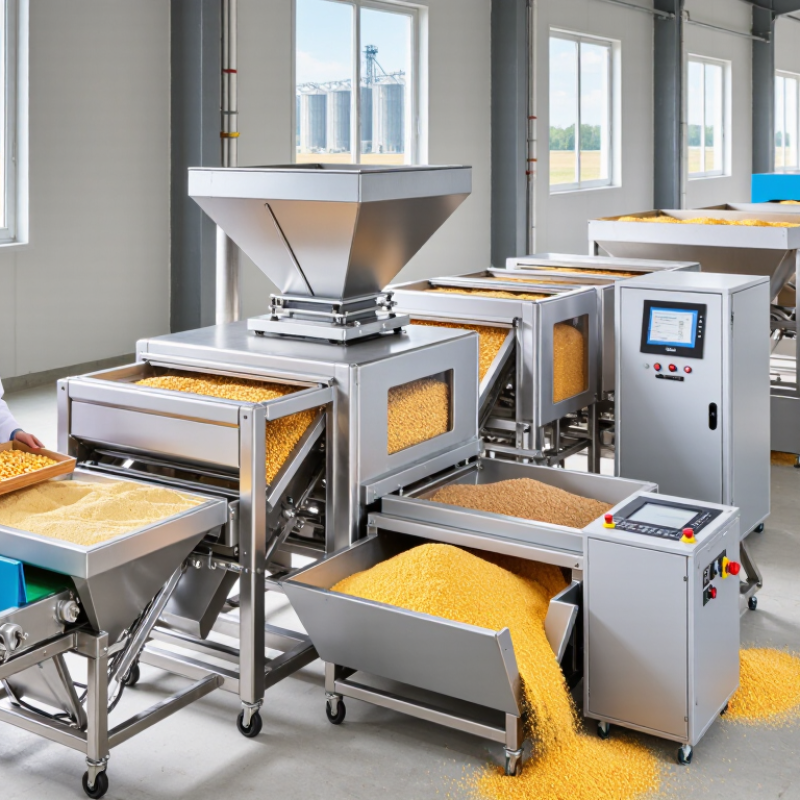
A suitable maize flour mill starts with a clear production target, not the largest capacity available. Record how many kilograms you need each day and how many hours the mill will run. Start with real numbers. A small mill operating steadily may suit a local shop, while a larger operation may need continuous feeding and more storage space. Leave room for busy seasons, but avoid buying capacity that will sit idle.
Think about the flour you plan to sell. Will customers want fine flour for porridge, or a coarser meal for other dishes? Ask buyers, and test samples through sieves before settling on a specification. The maize also matters: incoming grain can vary in moisture and cleanliness. Stones, dust, and damaged kernels affect milling, so include cleaning equipment in your process. Small details matter. They can change both output and maintenance needs.
Map the full workflow, from grain intake to packed flour. Check available floor space, power supply, staff skills, and where you will store grain and finished bags. These estimates are rarely perfect. One practical approach is to track actual daily sales and milling losses for several weeks before finalizing capacity. Allow some margin, then review whether the plan still works during a slower month.
Maize flour mill machines differ in how they grind kernels and the flour they produce. Hammer mills use fast-moving hammers to break maize into fine particles. They suit small farms and flexible production, but can create heat and uneven texture if screens or feed rates are poorly matched. Roller mills crush kernels between rotating rollers. They offer more control over particle size and can handle steady, larger output, though adjustment and maintenance require care. Plate mills use grooved discs to grind grain. They are often compact and straightforward, but may need frequent checks as discs wear.
Match the machine to your daily output, power supply, and preferred flour texture. For example, a small operator making flour for local customers may value easy cleaning more than maximum capacity. A larger mill may need reliable grain feeding and access to replacement screens or rollers. Ask for a maize-specific capacity estimate, not only a general grain figure. Actual output can change with kernel moisture, screen size, and operator settings. No machine is perfect; I would still test a sample before committing.
Tips: Check how quickly the machine opens for cleaning, and inspect the parts that contact grain. Compare noise, power use, and dust control under realistic conditions. Bring a sample of your maize if possible. A promising specification can look less convincing during a practical trial.
| Machine Type | Typical Throughput* | How It Mills | Typical Product | Best Suited For | Key Advantages | Points to Check |
|---|---|---|---|---|---|---|
| Hammer mill | About 50–500 kg/h for many small and medium units | Fast-spinning hammers break kernels against a screen; screen openings influence particle size. | Whole-maize meal or flour; coarser or finer output depending on the screen and operating setup. | Small farms, community mills, animal-feed preparation, and operations needing a straightforward machine. | Relatively simple construction; can handle a range of grains; screens are usually replaceable. | Flour fineness and uniformity may be lower than with a well-adjusted roller system. Check dust control, screen availability, and wear-part costs. |
| Plate or disc mill | About 20–200 kg/h for many compact models | One or two grooved plates grind kernels as they pass through an adjustable gap. | Meal or flour, with particle size adjusted by changing the plate gap. | Households, small shops, and low-volume processing where a compact footprint matters. | Compact design; relatively simple adjustment; often suitable for intermittent operation. | Capacity and fineness vary with plate condition, maize moisture, and feed rate. Confirm that the machine is designed for maize and for the intended duty cycle. |
| Compact roller mill | About 0.2–2 tonnes/h, depending on the configuration | Paired rollers crack or grind grain; multiple passes and sieving may be used to control the product. | More controlled meal or flour; multi-stage configurations can separate fractions. | Growing businesses that need more consistent output than a basic single-stage mill can provide. | Adjustable roller settings; can offer more consistent particle size when correctly set up and maintained. | Ask whether cleaning, conditioning, sifting, and aspiration equipment are included. Roller condition and adjustment affect product quality. |
| Multi-stage roller milling line | About 2–20 tonnes/h for many small-to-medium commercial lines; larger systems are available | Uses several milling and sifting stages; some dry-milling layouts remove bran and germ before or during flour production. | More refined flour and separated fractions, depending on the process design and maize preparation. | Commercial mills serving a steady market with higher volume and defined flour specifications. | Designed for continuous production; staged milling and screening can help control product consistency and separation. | Requires more space, equipment, skilled operation, and maintenance. Compare the complete line, including cleaning, conditioning, sifting, dust collection, and conveying. |
Selection note: Throughput figures are indicative ranges, not guaranteed ratings. Actual capacity depends on maize variety, kernel moisture, target particle size, screen or roller settings, and the equipment layout. Before purchasing, confirm the required flour specification, expected operating hours, available power, cleaning requirements, spare parts, and local service support.
Evaluate capacity, power, and milling quality together. A machine rated for 500 kilograms per hour may produce less with damp maize or a fine sieve. Ask how the quoted capacity was measured. Check the maize variety, moisture level, and flour fineness used in the test. A small trial batch can reveal more than a headline figure. Watch the feed flow and note whether output stays steady.
Power requirements affect both operating cost and installation. Compare motor power with the expected daily workload, but do not assume a larger motor always means better performance. Check the available voltage, phase, and startup requirements before ordering. If the mill runs for hours, ask about heat buildup and maintenance intervals. Electricity costs add up.
Milling quality should match the product you plan to sell or use. Inspect flour texture, uniformity, and bran separation, then sift a sample through the mesh you need. Look for excessive heat, which can affect flour characteristics. Small differences matter. Ask whether adjustments are simple and repeatable. A specification sheet can still leave questions unanswered, and that is worth acknowledging. Test your own maize if possible, because real operating conditions rarely match a perfect demonstration.
Automation should reduce routine work without making the machine difficult to control. Check whether the control panel shows operating status, motor load, and faults in plain language. Can operators adjust feed rate and grinding settings without opening guarded areas? Ask for a live demonstration using maize, not an empty run. A machine that restarts automatically after a power interruption may create risks if staff are clearing a blockage. More automation is not always better. Small details matter.
Maintenance access affects daily uptime. Look for reachable inspection covers, clearly identified lubrication points, and parts that can be replaced with common tools. Ask how often screens, belts, and bearings need inspection, and whether the supplier provides a maintenance schedule. Dust changes everything. During a site visit, check how flour dust is contained and whether cleaning leaves hidden corners around motors or conveyors. Guards, emergency stops, and interlocks should be easy to identify and test. Confirm that the layout supports safe cleaning and servicing under applicable local requirements. A neat brochure cannot show how awkward a real repair feels; request a practical demonstration and leave room to reconsider if routine tasks seem cramped.
When comparing maize flour mill suppliers, ask for a test using grain similar to yours. Kernel moisture and hardness affect output, heat, and flour texture. Request a written capacity range, power use, screen options, and expected extraction rate. Ask for recent customer references and spare-part lead times. A polished brochure is not proof. Watch a trial run.
Compare the full installed cost, not only the machine price. Include freight, foundations, wiring, dust collection, commissioning, operator training, and routine wear parts. Get separate estimates for each item. Then model cost per tonne at your expected operating hours. A low purchase price can become expensive if the mill needs frequent downtime or specialist service. This part is easy to underestimate.
For 2026, compliance depends on where the mill will be installed and how it will be used. Ask suppliers for current declarations and test records covering food-contact surfaces, electrical protection, guarding, and noise. Check local requirements for combustible grain dust, ventilation, worker exposure, and waste handling with qualified authorities or advisers. Confirm document versions and dates; standards can change. Keep copies. Do not assume a certificate covers the complete production line. Leave room in the budget for upgrades after the site inspection. Some details only become obvious when the mill is running.
1901 West Main Street
Washington, MO 63090
Main Directory: 1-800-227-4873
Email: sale@pangcofurniture.com

We’re always looking for talented individuals to join our team. Send us your resume using the form below. When a position comes available that matches your skillset, one of our team members will reach out to you.
"*" indicates required fields