How to Choose a Mobir Air Thermal Imaging Camera?
Choosing a Mobir Air Thermal Imaging Camera starts with the inspection task, not the product label. A roof survey, electrical check, and outdoor search may need different temperature ranges, lenses, and levels of detail. A crisp thermal image can reveal a warm connector or a cold patch behind a wall. It cannot, by itself, confirm the cause. That distinction matters.
Before comparing models, check the camera’s thermal resolution, sensitivity, field of view, focus method, temperature range, and battery life. Think about the actual scene: Will you inspect small components from a safe distance, or scan broad surfaces in changing weather? Confirm that the camera’s software, image storage, and reporting tools fit your workflow. Read the model’s datasheet, and verify that its stated specifications match your use case. Marketing language can sound precise while leaving practical limits unclear.
A suitable expert quotation should add evidence, not borrowed authority. No source material or verifiable expert statement was provided for this request, so I won’t invent a name or attribute a quote. A verified quotation can be inserted here: “[Expert name]: ‘[Exact, sourced statement about choosing a thermal camera].’” That check is worth making. A camera that looks impressive on a screen may still be awkward to focus, slow to review, or poorly matched to the target. This guide will help readers compare those trade-offs and choose a Mobir Air Thermal Imaging Camera with clearer expectations.
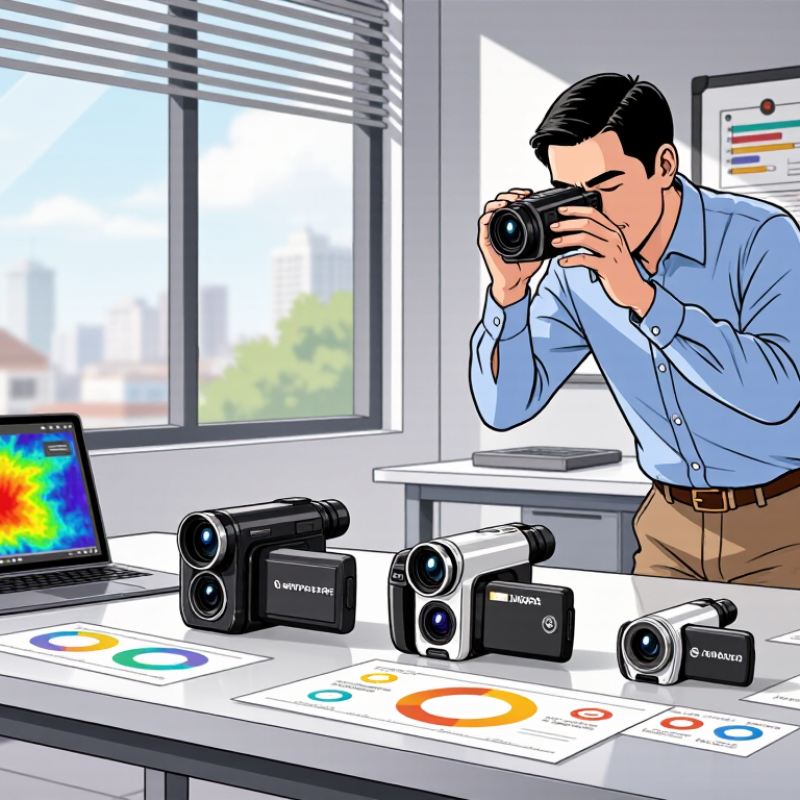
Identify Your Inspection Needs and Operating Conditions
A thermal imaging camera should match the inspection, not just look impressive on a specification sheet. Are you checking overheated motor bearings, electrical connections, or missing insulation? Each task needs different temperature ranges and image detail. A small connector viewed from three metres away requires more spatial resolution than a broad wall. Small details matter. Consider how quickly you need results, too; a moving production line leaves little time to adjust settings.
Operating conditions shape the choice. Indoor inspections may need a simple display and dependable close focus, while outdoor work can involve glare, wind, dust, or sudden temperature changes. Check the camera’s operating limits, housing protection, battery life, and handling comfort. Reflective metal can distort apparent temperatures, so emissivity settings and viewing angles matter. A thermal image shows surface patterns, not hidden internal faults. A checklist can still miss an awkward reflection or an unexpected ambient change, so verify important readings with a suitable reference method.
Tips: Define the target size, distance, temperature range, and environment before comparing models. Test the camera on a representative surface if possible. Keep notes on emissivity and conditions; they make repeat inspections more useful. Don’t assume the brightest image is the most accurate.
How to Choose a Thermal Imaging Camera: Match It to Your Inspection Needs
Choose a camera whose calibrated measurement range covers the temperatures you expect to inspect, and check its environmental operating limits, thermal sensitivity, and image resolution. The ranges shown are illustrative planning examples, not application limits; actual temperatures depend on the equipment, materials, and conditions.
Compare Thermal Resolution, Sensitivity, and Temperature Range
When choosing a thermal imaging camera, start with the detail you need to see. Thermal resolution describes the image’s pixel count, such as 256 × 192. More pixels can help distinguish small components or narrow hot spots from nearby surfaces. At a distance, low resolution may blend a warm bearing into the cooler machinery around it. Get close, if it is safe to do so.
Sensitivity matters too. It is often listed as NETD in millikelvins; a lower value can reveal smaller temperature differences. That helps when comparing two pipes that look nearly identical to the eye. Yet sensitivity is not a promise of perfect readings. Reflective metal, airflow, and surface finish can distort what the camera detects. Details matter.
Check the temperature range against the job, not just the largest number on a specification sheet. A camera used on building interiors may need a different range from one checking industrial equipment. Make sure the expected temperatures fall within the stated range, and check accuracy separately. A wide range does not automatically mean precise measurements. I would also leave some headroom for unexpected heat; in practice, real sites are rarely as tidy as a test bench.
Evaluate Lens Options, Focus, and Measurement Accuracy
How to Choose a Mobir Air Thermal Imaging Camera?
Lens choice affects what you can measure, not just how much of a scene you can see. A wide-angle lens helps inspect a warm motor, pipework, or an entire room from nearby. For a small target across a workshop, a narrower field of view can place more pixels on the area of interest.
Check the camera’s stated distance-to-spot ratio and minimum focus distance. A target should fill enough of the image; otherwise, its temperature may blend with the background. Small details matter.
Focus deserves a practical test. If the camera supports manual focus, adjust it until edges look crisp at your usual working distance. Fixed-focus models can be quicker, but their useful range may be limited.
Measurement accuracy also depends on settings and conditions. Set emissivity to suit the surface, and account for reflected heat on shiny metal. Compare readings against a suitable reference when decisions carry real consequences. Calibration records and stated accuracy specifications are worth reviewing.
Even careful checks have limits. A brief scan in a cold, drafty room may not represent stable operating conditions, and I would not treat one reading as the whole story. Evaluate lens, focus, and measurement settings together before choosing.
Review Imaging Tools, Connectivity, and Data Export Features
A useful thermal camera should make temperature patterns easy to interpret, not just produce colorful images. Check the detector resolution, focus method, and temperature range against your typical inspections. A small electrical panel may need clear detail around individual connections, while a broad wall scan calls for a wider field of view. Try the camera on a familiar surface. Shiny metal can mislead readings.
Connectivity matters when images need to reach a team quickly. Look for reliable wireless transfer or a direct cable connection, and test both before buying. A crowded job site can make wireless links unreliable. Keep a backup plan. Check whether the companion software works on your phone or computer, and whether it allows notes beside each image. Those notes help explain why a warm spot mattered later.
Data export deserves equal attention. Confirm that the camera saves ordinary image files for quick sharing and radiometric files when you need to review temperature measurements afterward. Can it export readings to a spreadsheet? That can save time. Also check whether date, emissivity, and measurement settings remain attached to exported files. I have found that these details are easy to overlook during a fast inspection. They are not always obvious in a sample demo, so test a real export before relying on it.
Check Device Compatibility, Durability, and Support Availability
How to Choose a Mobir Air Thermal Imaging Camera?
Check Device Compatibility, Durability, and Support Availability
Before buying, confirm that the camera works with your phone, operating system, and connector. Check whether its app receives updates and whether images export in formats your inspection software accepts. A camera that connects but cannot share clear reports may slow down the whole job. Small mismatch. Big headache.
Durability matters when inspections involve dusty workshops, damp equipment rooms, or frequent travel. Review the stated operating temperature, ingress protection rating, drop resistance, and warranty terms. Match those details to your actual worksite; a rugged case cannot fix unsuitable operating limits. Support deserves equal attention: verify service locations, repair turnaround, software assistance, and access to replacement parts. Uptime Institute’s 2024 Annual Outage Analysis reported that 54% of respondents said their most recent significant outage cost more than $100,000. That figure concerns data-center outages, not camera performance, but it shows why dependable inspection tools and service planning matter.
Tips: Test the camera with your own device before purchase. Capture a warm motor, export the image, and check that temperature readings remain visible. One detail is easy to miss: support promises may vary by region, so confirm them in writing.