Choosing the right Aluminum Die Cast Mold is crucial for maximizing production efficiency and product quality. According to a report by Freedonia Group, the demand for aluminum die casting is projected to grow by over 5% annually, reaching $10 billion by 2024. This substantial growth emphasizes the necessity for manufacturers to select molds that meet their specific operational needs.
Aluminum Die Cast Molds vary significantly in design, materials, and manufacturing processes. Understanding these differences can lead to better performance and longevity. A mold that is too generic may not withstand the rigorous demands of high-volume production. On the other hand, highly specialized molds may offer precision but come with increased costs and longer lead times.
As the industry evolves, it is essential to balance quality with budget constraints. Not every high-cost mold guarantees better results. Some may require extensive maintenance, impacting overall efficiency. Finding the ideal Aluminum Die Cast Mold involves assessing your production goals, technical specifications, and potential long-term implications. This reflection on your specific needs can help avoid costly mistakes.
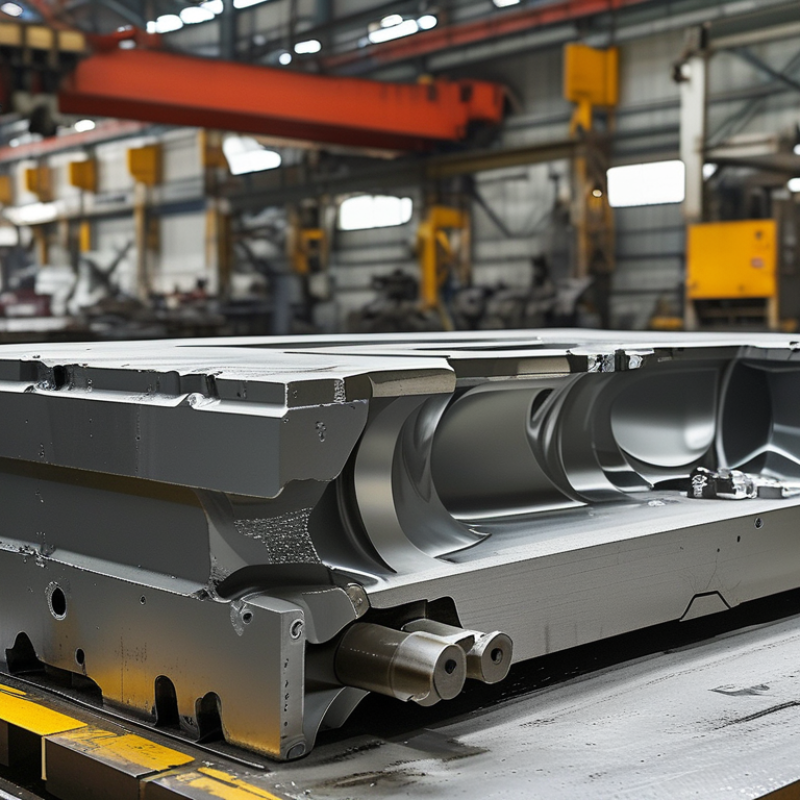
Aluminum die casting is a versatile manufacturing process. It produces precise components for various industries. The process involves injecting molten aluminum into a mold, creating a solid product once cooled. This method is widely used in automotive, aerospace, and consumer goods. Its lightweight and durable nature makes aluminum particularly valuable.
Understanding the applications of aluminum die casting is essential. For instance, in the automotive industry, aluminum parts reduce vehicle weight, enhancing fuel efficiency. In electronics, die-cast aluminum housings protect sensitive components from damage. However, the complexity of some designs can pose challenges. Designers must consider wall thickness and draft angles for effective mold creation.
The quality of the mold plays a crucial role. High-quality molds yield better final products. Yet, molds may wear over time and require maintenance. This can lead to unexpected delays. It’s vital to balance initial mold cost with long-term performance. Oversights in the design phase can lead to issues; thus, careful planning is necessary. Engaging experienced professionals can significantly improve outcomes.
Choosing the right aluminum die cast mold requires careful consideration. One key factor is the mold design. Complex shapes may require more intricate designs, impacting costs and production time. Ensure the design aligns with your production needs.
Material selection is crucial as well. High-quality aluminum can enhance durability and improve the casting process. Thin molds can save weight but may compromise strength. Consider the trade-offs. Researching the right alloys is essential for optimal performance.
Cooling systems also play a significant role. Efficient cooling reduces cycle time and improves surface finish. Different designs can yield different cooling rates. Experiment with cooling methods to find the best fit for your project. These details can significantly influence the overall success of your production.
This chart illustrates key factors to consider when choosing the best aluminum die cast mold for your needs. Each factor is rated on a scale from 1 to 10 based on its importance, helping you make an informed decision.
When choosing an aluminum die cast mold, material quality and design features play a crucial role. The alloy's chemical composition influences durability and thermal conductivity. High-quality aluminum will withstand the intense pressures of the casting process. Look for molds that utilize aerospace-grade aluminum for increased robustness and precision.
Design features are equally essential. Consider the wall thickness; thinner walls can reduce weight but may lower strength. Complex geometries might require advanced techniques, which could increase costs. Inspecting the mold's surface finish is vital—it impacts the final product's aesthetics and functionality. A smooth finish can reduce post-processing efforts.
Tips: Always verify the supplier's certifications. A reputable manufacturer should provide details about quality assurance processes. Furthermore, ask for sample molds when possible, as this can offer insights into their design and construction quality. Regularly review the mold’s performance post-production. This reflection will help identify early signs of wear or inefficiencies.
When budgeting for an aluminum die cast mold, understanding the costs involved is crucial. Industry reports indicate that the cost of molds can vary significantly. A basic mold may start around $5,000, while complex designs can exceed $50,000. Your total expenses will often include not only the mold cost but also maintenance and modifications. These additional costs can add 15-30% to your initial budget.
Additionally, consider the production volume. A higher volume can justify investing in more expensive molds. According to a study by the American Foundry Society, a well-planned die casting investment can yield a return on investment (ROI) of up to 30% over five years. Yet, manufacturers often underestimate material costs. Some reports indicate that material expenses can consume up to 40% of the total budget. This highlights the importance of precise costing.
As you evaluate your needs, remember the significance of quality versus price. A less expensive mold may result in higher rejection rates. When comparing options, focus on long-term value. It’s essential to revisit your budget periodically. Market fluctuations can impact both aluminum prices and machining costs. Preparedness can guide better financial decisions in the long run.
Choosing the right aluminum die cast mold can be a daunting task. Evaluating the reliability of manufacturers is crucial for success. A recent industry report indicated that 72% of manufacturers prioritize supplier reliability in their purchasing decisions. This emphasizes the importance of selecting a dependable partner for your mold needs.
When assessing manufacturers, consider their support services. Efficient communication channels and prompt responses can greatly affect your project's timeline. Studies show that companies with strong customer support experience a 43% increase in client satisfaction. This directly correlates to the reliability you can expect. Always inquire about their after-sales services. A commitment to ongoing support indicates a manufacturer that values long-term relationships, not just one-time sales.
Don't overlook industry certifications. They can serve as a benchmark for a manufacturer's reliability. However, remember that not all certifications reflect actual quality. It’s essential to investigate the specific standards a manufacturer follows. A lack of transparency can be a red flag. Ultimately, a balanced evaluation involves weighing both technical capabilities and the strength of support services offered.
| Criteria | Description | Rating (out of 5) |
|---|---|---|
| Manufacturer Experience | Years in business and industry expertise. | 4 |
| Quality Assurance | Certifications such as ISO standards. | 5 |
| Customer Support | Availability and responsiveness of support services. | 3 |
| Production Capacity | Ability to meet demand in a timely manner. | 4 |
| Pricing | Competitiveness and transparency of pricing. | 4 |
| Reviews and Feedback | Overall customer satisfaction and testimonials. | 5 |
1901 West Main Street
Washington, MO 63090
Main Directory: 1-800-227-4873
Email: sale@pangcofurniture.com

We’re always looking for talented individuals to join our team. Send us your resume using the form below. When a position comes available that matches your skillset, one of our team members will reach out to you.
"*" indicates required fields