7 Tips for Choosing the Best Industrial Filling Machine
Choosing the best Industrial Filling Machine starts with the product, not the catalogue. A thin liquid behaves differently from a thick sauce, and foaming can make a fast line messy. Before comparing models, record the product’s viscosity, temperature, container shape, and target output. Small details matter. A narrow bottle neck, for example, may affect nozzle choice and changeover time.
Manufacturing quality expert W. Edwards Deming wrote, “Quality comes not from inspection, but from improvement of the production process.” That principle applies here: a filling machine should support consistent operation, not merely reach a quoted speed. Compare filling accuracy, cleaning access, material compatibility, controls, and the availability of spare parts. Ask suppliers how they tested the machine with products and containers like yours. Request a demonstration, and watch for splashing, drips, and difficult adjustments.
The seven tips in this guide help buyers turn those observations into a practical shortlist. They cover production needs, filling technology, accuracy, sanitation, flexibility, supplier support, and total cost. No single machine is perfect. A highly flexible model may cost more or require extra setup, while a simpler unit may suit a stable product range better. Even experienced teams can overlook changeover time. Consider your operators’ daily tasks, future packaging plans, and maintenance capacity before deciding. A careful choice can make production steadier; a rushed one may leave expensive problems hiding behind a polished specification sheet.
Identify Production Needs and Filling Requirements
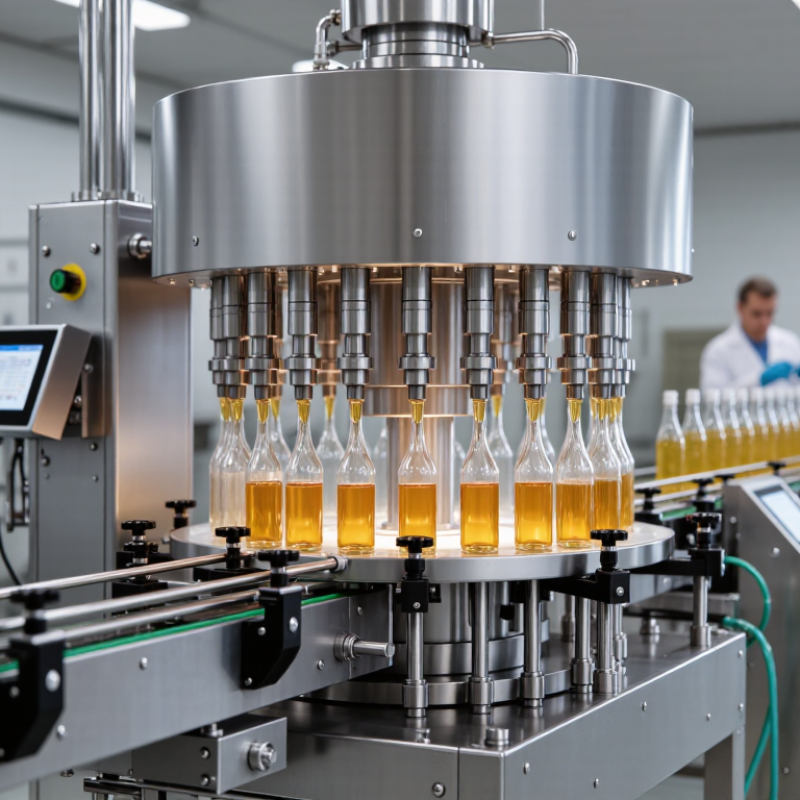
Start with the product and the shift, not a machine’s advertised speed. Record the required containers per minute, daily volume, operating hours, and expected growth. Then test the actual product: a thin liquid behaves differently from a thick sauce, foaming drink, or liquid with small particles. Note target fill volume, acceptable variation, container material, opening size, and whether containers arrive warm or cold. Small details matter. A narrow neck may slow filling; a foamy product may need a settling pause. Include washdown, sanitation, and changeover time in your usable production hours. A line rated for 100 containers per minute may not deliver that rate across frequent product changes.
Check losses as well as output. The FAO’s 2019 report, The State of Food and Agriculture, estimated that about 14% of food was lost between post-harvest and retail. That figure does not show that a filling machine alone prevents losses. It does make product yield worth measuring. Track spills, rejected fills, leaks, and start-up waste during a representative production run. Ask operators to test your most difficult product and container combination, not just the easiest one. Their notes may reveal awkward cleaning steps or unreliable changeovers. Estimates can be wrong. Recheck them against real shift data before choosing capacity.
Match the Machine to Your Product and Container
Choosing a filling machine starts with the product, not the advertised speed. Thin liquids may suit timed-gravity or flow-meter filling, while thick sauces often need piston or positive-displacement systems. Particles, foam, temperature, and cleaning needs can change that choice. A product that looks easy to fill in a sample cup may behave differently after hours in a warm production room.
PMMI’s 2023 State of the Industry report valued U.S. packaging machinery shipments at about $10.9 billion in 2022, up 7.5% year over year. That broad market figure does not tell you which filler fits your line, but it underscores the importance of specifying the job carefully. Match the machine to each container’s opening, shape, material, and stability. A narrow neck may need a slim nozzle; a lightweight bottle may buckle under fast handling. Check fill accuracy, headspace, and changeover time using your actual containers.
Run a real-product trial. Measure foam, drips, and fill variation across repeated cycles, not just one perfect sample. Ask operators to test container feeding and cleaning, too. Even a careful trial can miss seasonal changes in viscosity. Leave room to adjust. The best specification is useful, but it is never a substitute for production testing.
7 Tips for Choosing the Best Industrial Filling Machine
Match the machine to your product viscosity and container format.
Approximate viscosity values are representative examples at about 20°C; actual values vary with formulation, temperature, and measurement conditions. Low-viscosity liquids often suit gravity or flow-meter filling, while thicker products may require piston or other positive-displacement systems. Also check container opening, shape, material, and required fill volume before selecting a machine.
Compare Filling Technologies, Speed, and Accuracy
Choosing an industrial filling machine starts with the product, not the advertised speed. Tip: Match the filling technology to the liquid’s behavior. A gravity filler may suit thin, free-flowing liquids, while a piston system can handle thicker products. A small sample test can reveal foaming, dripping, or inconsistent fills. Watch the nozzle closely. Those details matter.
Tip: Compare speed and accuracy under realistic conditions. A machine’s rated output may assume steady product flow and minimal changeovers. Ask for a trial using your container size and target fill volume. Check several bottles from the beginning, middle, and end of the run. Record both cycle time and fill variation. Faster is not always better.
Tip: Consider how operators will adjust and clean the equipment. Clear controls, accessible nozzles, and repeatable settings can reduce avoidable downtime. Verify that the stated accuracy applies to your product and operating range. Small differences in viscosity or temperature may change results. I would not choose from a specification sheet alone; it leaves too much unsaid. A practical trial may take extra time, but it can expose trade-offs before installation.
Check Hygiene, Safety, and Maintenance Features
Hygiene is built into the filling machine, not added by a polished finish. Check that product-contact surfaces are smooth, corrosion-resistant, and easy to inspect. Ask how nozzles, hoses, and seals are removed for cleaning. If product can collect behind a fitting, cleaning takes longer and residue may be missed. A stainless exterior helps, but it proves little by itself. Request a cleaning procedure and verify it with your actual product.
Safety features need a hands-on review. Guards should prevent access to moving parts while allowing routine checks. Test the emergency stop and confirm that operators can reach it without crossing a hazard. Look for clear warnings and safe access to valves, pumps, and controls. Small details matter. A cramped panel can encourage shortcuts during a busy shift.
Maintenance affects hygiene and uptime together. Ask whether wear parts can be replaced with common tools, and whether the manual lists inspection intervals. Check the space needed to reach seals and bearings; a machine that is difficult to service may stay dirty or out of adjustment. I would also ask for a sample maintenance log. It is not exciting paperwork, but it can reveal what the supplier expects in real use. Even then, the schedule may need adjustment after operators gain experience.
Evaluate Supplier Support and Total Ownership Cost
Supplier support can matter as much as filling speed once a machine is running every shift. Ask who handles commissioning, operator training, and troubleshooting after installation. A clear answer should include response hours, remote support options, and realistic on-site service times. “We can help” is not a service plan.
Check what support actually covers. Will technicians help tune the filler when bottle sizes or product viscosity change? Are setup guides specific to your machine? Ask how quickly common wear parts can be supplied, and keep a list of recommended spares. A worn seal can stop a line; a spare on the shelf may prevent a long delay. Still, stocking every suggested part can tie up money. The right balance depends on lead times and how costly downtime is at your plant.
Compare total ownership cost, not just the purchase price. Include installation, operator training, routine maintenance, replacement parts, energy use, cleaning time, and expected downtime. Request a written estimate with assumptions, such as shifts per day and annual production hours. Small details matter. A few extra minutes during each changeover can add up across a year. It is tempting to trust the neatest spreadsheet, but estimates are only as good as their assumptions. Review them with the people who will run and maintain the equipment.