Choosing the right Price Holder Stand can significantly impact how products are displayed in retail spaces. Research shows that effective product presentation can boost sales by up to 30%. Selecting a durable and visually appealing stand enhances customer engagement. Retailers need to consider the stand's material, design, and adaptability to various settings.
Different retail environments have unique requirements. For example, a grocery store may need a stand that withstands moisture. In contrast, a high-end boutique may prioritize elegance. Industry reports highlight that nearly 40% of consumers are influenced by product displays. Therefore, the right Price Holder Stand not only holds prices but also grabs attention.
It's important to reflect on whether the chosen stand meets your specific needs. Many retailers overlook the need for versatility in design. Choosing the wrong stand can lead to ineffective product placement. Taking the time to assess different price holder options is crucial for creating a polished shopping experience.
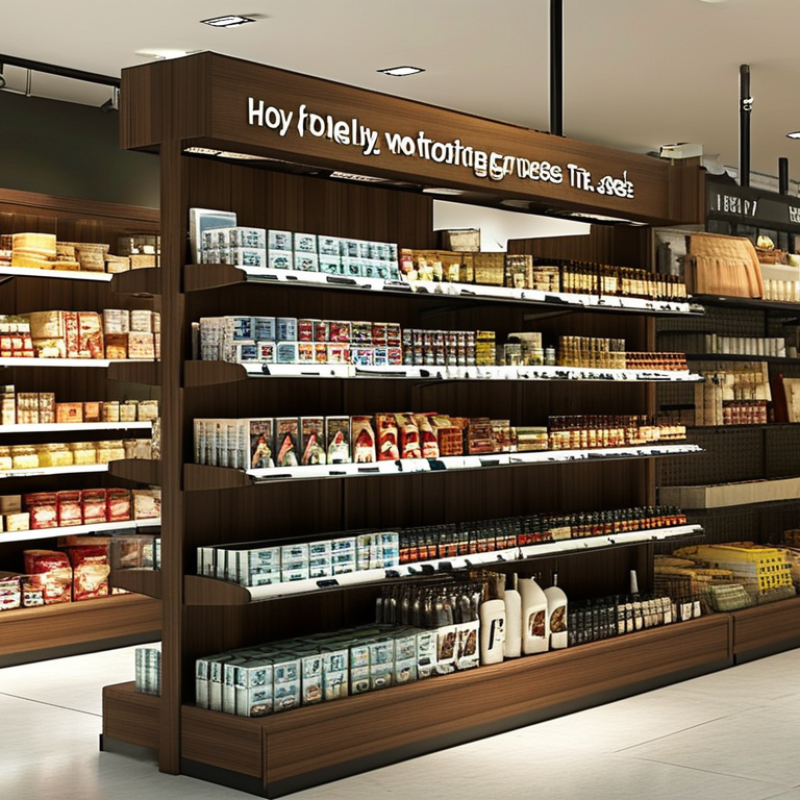
When selecting a price holder stand, several factors play a crucial role. The material is vital. For instance, acrylic offers a sleek look but may not be as durable as metal. Consider how often you will use the stand. Frequent use demands a sturdier option. Weight also matters; a lightweight stand can tip over easily in a busy environment.
Size is another essential factor. Make sure the stand fits your space and holds the intended price tags securely. Check the height as well. It should be easy for customers to read without straining. Design influences visibility. A clear, simple style helps attract attention. Look for versatility. Some stands can adjust to various sizes, making them more functional for different displays.
Finally, do not overlook the price. A higher cost doesn’t always guarantee better quality. Research and compare options, even if some seem similar. Reflect on your specific needs. A perfect stand for one situation might not work for another. Balance the features with your budget for the best results.
When selecting the right price holder stand, it's essential to know the various types available. Common options include table stands, clip holders, and wall-mounted displays. Each type serves distinct purposes and can enhance the visibility of pricing information in different settings. Table stands are perfect for counters and checkout areas, while clip holders are versatile for promotional signs. Wall-mounted displays effectively use vertical space in busy locations.
Material matters, too. Common materials include acrylic, metal, and cardboard. Acrylic offers durability and clarity, making it ideal for high-traffic areas. Metal stands project a sturdy and professional appearance, often suited for retailers. Cardboard options are lightweight and cost-effective, although they might not withstand harsh conditions.
Consider your specific needs. Assess where and how the price holder stand will be used. If exposed to moisture, prioritize materials resistant to water damage. In contrast, if the environment is relatively stable, lighter and more decorative options may work. Remember that choosing the right size is equally important; an oversized stand can overwhelm space, while a tiny one may go unnoticed. Each detail counts when it comes to enhancing the shopping experience.
| Type | Material | Size | Price Range | Best Use Case |
|---|---|---|---|---|
| Tabletop Price Holders | Acrylic | 4" x 6" | $10 - $20 | Restaurants and Retail |
| Floor Stands | Metal | 30" tall | $50 - $100 | Trade Shows, Exhibitions |
| Wall-Mounted Holders | Plastic | A4 Size | $5 - $15 | Offices, Lobbies |
| Retractable Stands | Vinyl | Stand Size 24" x 80" | $60 - $150 | Promotional Events |
| Card Holders | Acrylic | Business Card Size | $3 - $8 | Offices, Reception Areas |
When selecting a price holder stand, material durability should be at the forefront of your decision-making. Stands made from strong materials like acrylic or metal tend to last longer than those made from plastic. Consider the weight of the product. A heavier base can prevent tipping, enhancing stability. Durability is not only about longevity but also about how it handles wear and tear. Scratches and cracks can diminish the visual appeal over time.
Aesthetic appeal plays a significant role as well. The design should complement your environment while showcasing the price or information effectively. Clear surfaces allow for visibility, while colored options can add a splash of energy. Imagine a vibrant stand drawing attention to your products. However, striking a balance between design and functionality is essential. A stand that looks great but fails in durability will likely lead to frustration.
While many options are available, it's essential to reflect on your specific needs. An attractive price holder may catch a customer's eye, but if it breaks easily, it defeats its purpose. Consider how often you will move or change displays. A visually pleasing yet stable stand is ideal. It should withstand frequent use while maintaining its original look. Remember, your choice directly impacts customer perception and overall business success.
When selecting a price holder stand, evaluating size and adjustability options is crucial. A recent study from the Display Industry Association revealed that 78% of retailers found adjustable stands improved visibility and engagement. An adjustable stand can provide flexible height and angle settings, catering to various product sizes and customer perspectives.
Consider the dimensions of the display area. A compact stand fits smaller spaces while larger stands work in open areas. Some stands offer extension features, allowing you to adapt to different product types. Research shows that displays at eye level attract 40% more attention than those placed lower. Thus, ensuring adjustability enhances the likelihood of customer interaction.
However, not all adjustable stands are created equal. Certain models may wobble at higher settings, which can lead to instability. Choosing a sturdy yet flexible design is essential. Many users have reported dissatisfaction with stands that lack durability. Ensuring the right balance between style and functionality is necessary for an effective display strategy. Approaching this choice with care can significantly impact your sales.
This chart illustrates the evaluation of different price holder stand options based on size and adjustability features. The data represents the average user satisfaction ratings on a scale from 1 to 10 for various sizes and adjustability options.
When considering the best price holder stand, cost-effectiveness plays a crucial role in the decision-making process. Start by examining your budget and the potential need for multiple units. The upfront cost should align with your intended use. A higher initial price might deter you, but what about long-term value? Sometimes spending a bit more on durability can save money in the future.
It’s essential to evaluate the features of each option. Unique functionalities may increase the cost but can enhance user experience. Features like adjustability and portability are often worth the investment. Reflect on how often you’ll use the stand. If it’s for infrequent events, a lower-cost model may suffice. However, if daily usage is expected, lean towards quality.
Remember, pursuing the lowest price can lead to compromises. A cheaper holder may lack stability and fail in crucial moments. Weighing benefits and drawbacks requires reflection and sometimes, acceptance of imperfections in products. By understanding your specific needs, you can avoid overspending while ensuring you select a stand that meets your expectations. A balanced approach will guide you toward an informed, satisfying choice.
1901 West Main Street
Washington, MO 63090
Main Directory: 1-800-227-4873
Email: sale@pangcofurniture.com

We’re always looking for talented individuals to join our team. Send us your resume using the form below. When a position comes available that matches your skillset, one of our team members will reach out to you.
"*" indicates required fields