
How to Choose the Right Stainless Steel Door Hinge?

When selecting a Stainless Steel Door Hinge, several factors come into play. Stainless steel is known for its durability, resisting corrosion and wear. The construction sector shows that over 60% of door installations prefer stainless steel for its longevity. However, not all hinges are created equal. Quality varies across brands, which can affect functionality and lifespan.

The right hinge should match the door's weight and usage. For instance, a heavy door requires robust hinges to ensure reliability. According to recent industry insights, a well-chosen hinge can enhance a door's performance by up to 30%. Many overlook this aspect, leading to premature wear and issues.

Moreover, consider design and finish. Aesthetic appeal is essential in residential applications, where hinges are often visible. Proper selection is not merely a technical choice; it reflects on overall design integrity. This decision warrants careful thought to avoid common pitfalls. Selecting the right Stainless Steel Door Hinge is a balance of function, aesthetics, and durability.
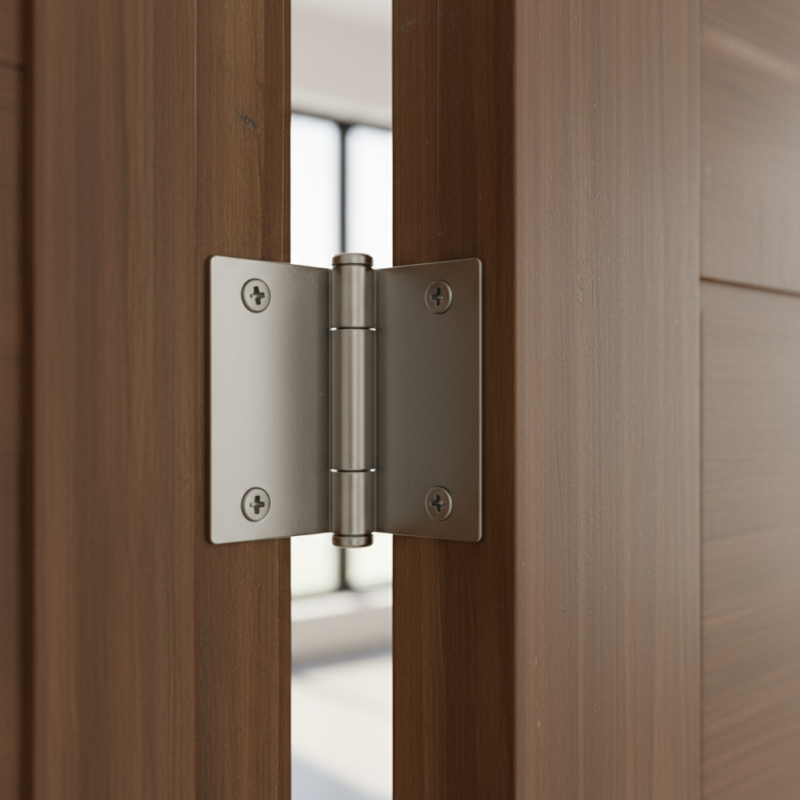
How to Choose the Right Stainless Steel Door Hinge?

Understanding the Importance of Stainless Steel Door Hinges

Stainless steel door hinges may seem like a minor hardware choice, yet they play a vital role in the functionality and aesthetic of doors. A well-chosen hinge ensures smooth movement and longevity. Low-quality hinges can lead to squeaks, rust, and uneven wear. Investing in the right hinge enhances door performance. When selecting hinges, consider the weight and size of your door. Heavier doors need sturdier options.

Durability is another crucial aspect. Stainless steel resists corrosion and withstands the elements. This is especially important for exterior doors. A fresh coat of paint may hide imperfections, but it cannot fix a poor hinge. Look for options with a solid structure. Many hinges come in different grades of stainless steel. Sometimes, a less expensive option may lead to issues over time.

Aesthetic appeal also matters. Hinges can complement your door's design. However, matching colors and finishes may be tricky. Test samples in natural light to see how they look. Adjustments may be needed if the colors clash. It's easy to overlook these details, yet they significantly affect the overall look.

Analysis of Stainless Steel Door Hinge Types

This chart represents the popularity of different types of stainless steel door hinges based on common usage. The data indicates that standard and continuous hinges are the most preferred, while spring hinges are less commonly chosen.

Types of Stainless Steel Door Hinges and Their Applications

When selecting stainless steel door hinges, understanding the types available is crucial. There are several categories, each suited for different applications. For instance, continuous hinges provide uniform support for heavy doors, making them ideal for commercial spaces. They span the entire door length, redistributing weight effectively. On the other hand, butt hinges are commonly used for residential doors. They offer a classic look but may not support as much weight.

Another option is pivot hinges, which allow doors to rotate smoothly. They are stylish and can be used for modern openings and architectural designs. According to industry reports, the demand for stainless steel hinges is growing, driven by increased construction activities and building renovations. This trend is evident, especially in regions experiencing urban expansion.

Tips: Always consider the weight and size of your door when choosing a hinge type. Improper selection may lead to hinge failure. Regular maintenance checks on installed hinges can prevent unexpected issues. These details matter in the long run. Investing in quality hinges can save time and money. Being mindful of your choices is essential.

How to Choose the Right Stainless Steel Door Hinge? - Types of Stainless Steel Door Hinges and Their Applications

Type of Hinge Material Grade Load Capacity Application Features
Butt Hinge 304 Stainless Steel Up to 150 lbs Interior doors Smooth operation, concealed pin
Continuous Hinge 316 Stainless Steel Varies, High strength Heavy-duty applications Even weight distribution, rust-resistant
Spring Hinge 304 Stainless Steel Up to 100 lbs Doors needing automatic closing Self-closing mechanism, adjustable tension
Piano Hinge 304 Stainless Steel Various depending on length Cabinets, pianos, and benches Full-length support, durable
Flag Hinge 304 Stainless Steel Up to 200 lbs Gates or doors requiring a removable feature Quick removal, adjustable for alignment

Factors to Consider When Choosing Stainless Steel Door Hinges

Choosing the right stainless steel door hinge involves several critical factors. Durability is paramount. High-quality stainless steel hinges resist rust and corrosion, making them ideal for both interior and exterior applications. According to industry reports, over 60% of door hinge failures are linked to inadequate material quality. Selecting hinges with an appropriate grade, like 304 or 316 stainless steel, can significantly prolong their lifespan.

Weight capacity is another key consideration. The hinge must support the door's weight. A heavy door requires a stronger hinge. Many experts suggest a weight tolerance of at least 1.5 times the actual door weight for safety. Additionally, the hinge's size and the number of hinges can affect support. Too few hinges may lead to sagging and misalignment, which can compromise security.

Tips: Always check the manufacturer's specifications. Consider the installation environment. Hinge finish matters as well. Those exposed to moisture should have a higher grade finish. It's also wise to seek expert advice if unsure about the choices. This initial investment can save time and costs incurred from future replacements. Keep in mind that overlooked details in hinge selection can lead to long-term issues.

Installation and Maintenance Tips for Stainless Steel Door Hinges

Stainless steel door hinges are known for durability and strength. Proper installation is crucial. A common mistake is misaligning the hinge. This can cause stress and lead to premature failure. According to industry data, 30% of hinge failures stem from poor installation. Use a level when mounting to ensure accuracy. Make sure to drill pilot holes to prevent wood splitting.

Maintenance is equally vital. Regular inspections can help identify wear, rust, or loose screws. It’s recommended to lubricate hinges every six months. A small amount of grease can prolong their lifespan significantly. Reports indicate that proper maintenance can enhance the hinge's performance by 50%. However, many overlook this step and face long-term issues.

Using the right tools is also essential. Many installers assume hand tools suffice. However, using power tools can improve precision. Yet, excessive force can damage the hinge or door. Finding the right balance is critical. Don't forget to check the manufacturer's guidelines for specifics. The details can make a big difference.

Common Mistakes to Avoid in Selecting Door Hinges

Selecting the right stainless steel door hinge can be challenging. One of the most common mistakes is overlooking the weight capacity of the hinge. According to industry reports, the wrong choice can lead to door misalignment over time. Each hinge has a specific load limit. Ensure you check the specifications before making a decision.

Another mistake is neglecting the environment where the door will be installed. Humidity or exposure to certain elements can cause rust or corrosion. Studies show that over 30% of commercial structures report hinge failures due to improper material selection. Choosing hinges designed for specific environments can prevent future issues.

Many people also forget to consider the number of hinges required. One may assume a single hinge is enough, but this often leads to failure. Proper distribution of weight is crucial. Typically, two hinges are needed for a standard door. This is a point that deserves attention, as it can impact durability significantly.