How to Choose the Best Rolling Workbench in 2026?
Choosing the best rolling workbench in 2026 is less about buying the largest model and more about matching it to your daily work. A repair technician may need a compact top, deep drawers, and wheels that lock firmly. A woodworker may value a thicker surface, a stable frame, and room for clamps. Measure your workspace, doorways, and the distance between your tools before comparing models. Small details matter.
Workbench-design authority Chris Schwarz’s workbench philosophy can be paraphrased this way: “A workbench is a tool, not a piece of furniture.” That idea applies to a rolling workbench, too. Its casters should move smoothly across your actual floor, then hold steady when you tighten a bolt or plane an edge. Check the rated load, brake design, top material, storage layout, and handle placement. If possible, test the drawers and push the loaded bench before committing. It should feel controlled, not wobbly.
There is no perfect choice. A heavy-duty bench can be awkward in a crowded garage, while a lightweight one may shift under pressure. That trade-off is easy to underestimate. The sections ahead explain how to compare construction, mobility, storage, safety features, and value, so you can choose a bench that fits your work—not just the product photos.
What Is a Rolling Workbench and How Does It Work?
What Is a Rolling Workbench and How Does It Work?
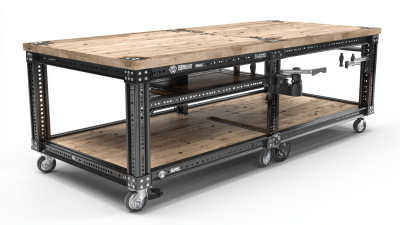
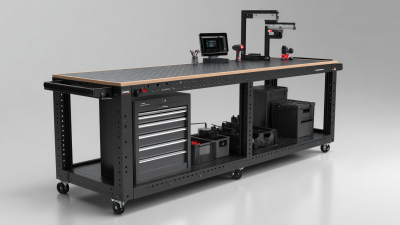
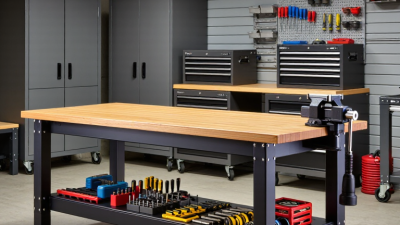
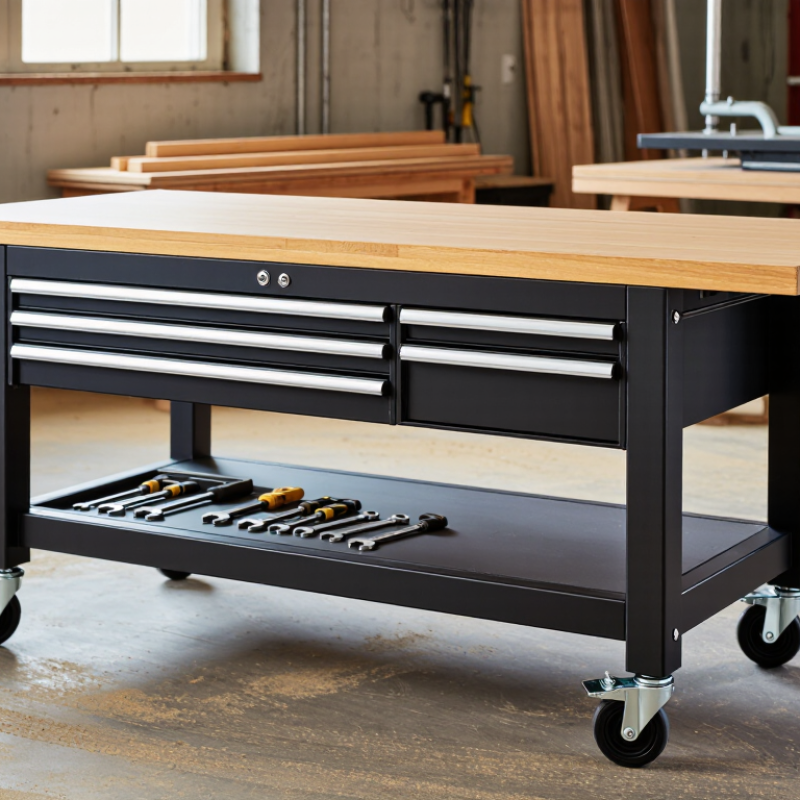
A rolling workbench is a sturdy work surface mounted on wheels, usually with drawers or shelves below. It brings tools and materials closer to the task instead of making workers carry them across a shop. The top supports activities such as assembly, repair, and measuring; the base stores frequently used items within reach. Simple idea. Useful in a busy workspace.
The casters make the bench movable, while wheel locks help keep it steady during work. Check the rated load, wheel type, handle position, and floor condition before choosing one. A fully loaded bench can feel quite different from an empty one, especially over thresholds or uneven concrete. Keep heavy tools low, distribute weight evenly, and lock every caster before applying force. I would not treat wheels as a substitute for a stable setup.
The U.S. Bureau of Labor Statistics reported 2.6 million nonfatal workplace injuries and illnesses in private industry in 2023; this broad figure is not specific to workbenches. OSHA’s ergonomics guidance identifies awkward postures and forceful exertions as workplace risk factors. A well-positioned rolling bench can make tools easier to reach, but it does not guarantee safer work. Test its movement and stability with a realistic load before relying on it.
How to Assess Your Workspace and Storage Needs
Before choosing a rolling workbench, map the space where it will actually move. Measure the parking footprint, doorways, floor transitions, and the room needed to open drawers fully. Include protruding handles and the length of tools resting on top. Measure twice. A bench that fits against a wall may still block a cabinet or force awkward turns. Leave a clear route around the work area, especially if other people share it. The exact clearance depends on your room and tasks, so test the layout with tape on the floor.
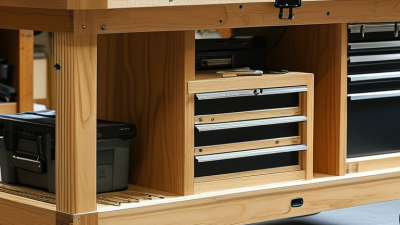
Then list the tools and supplies you reach for most: socket sets, drill cases, chargers, fasteners, and heavier equipment. Match drawer depth and cabinet space to those items, and check each drawer’s load rating against the weight you plan to store. Keep frequently used tools between waist and shoulder height; reserve lower drawers for heavier gear. It is tempting to buy extra storage “just in case,” but unused capacity can add bulk and reduce maneuverability. The U.S. Bureau of Labor Statistics reported 2.6 million nonfatal workplace injuries and illnesses in private industry in 2023. That figure is not specific to workbench clutter, but it reinforces why clear access deserves attention. A quick inventory often beats guessing.
Which Materials, Dimensions, and Features Matter Most?
A good rolling workbench balances strength, reach, and maneuverability. Welded steel suits a vise, dense tools, and repeated impacts; aluminum is lighter and easier to move, but may flex under concentrated loads. Choose a top for the work: sealed hardwood absorbs some vibration, while steel resists spills and is easier to wipe clean. Check the rated capacity, including drawers and tools, not just the bare frame. Small details matter.
Size the bench around your body and workspace. OSHA ergonomic guidance favors work surfaces that support neutral, comfortable postures; for many standing tasks, that means a height near elbow level. Measure doorways, turning space, and the distance between the bench and other equipment. The U.S. Bureau of Labor Statistics reported a 2.4 rate of nonfatal workplace injuries and illnesses per 100 full-time-equivalent workers in private industry in its 2023 Survey of Occupational Injuries and Illnesses. That figure is not specific to benches, but it reinforces the value of stable footing and manageable loads. Look for locking casters, a handle that does not obstruct drawers, and a brake you can reach while wearing gloves. I would test the wheel locks on a slightly uneven floor; specifications rarely capture every real workspace.
How to Compare Mobility, Load Capacity, and Stability
A rolling workbench should move easily when empty and remain controlled when loaded. Check wheel diameter and material against your floor: larger wheels usually cross cords and small thresholds more smoothly, while softer wheels may protect finished surfaces. Swivel casters improve turning in tight spaces, but can feel less steady on uneven floors. Lock all casters and test the bench on the surface where you plan to work. A quick push is useful. So is a careful stop.
Compare load ratings closely. A stated capacity may assume weight is spread evenly, not concentrated beneath a vise or heavy machine. Include tools stored in drawers, too; they add weight and can shift the center of gravity when pulled open. Look for a rating that covers your expected load with room to spare, and check whether the maker specifies a total capacity or a per-shelf limit. The distinction is easy to miss.
Stability depends on more than a thick tabletop. A wide base, rigid frame, secure joints, and well-positioned casters help limit rocking during sawing or clamping. If possible, test the bench with a realistic load and press down near each corner. Watch for frame twist and caster lift. I would not judge stability from a product photo alone; specs can be incomplete, and a glossy floor behaves differently from a rough garage slab.
How to Choose the Best Rolling Workbench for Your Budget
Set a realistic budget before comparing rolling workbenches, and include delivery, assembly, and replacement wheels in the total. A low sticker price can hide thin steel, shallow drawers, or a top that flexes under a vise. Check the stated load rating and whether it applies to the whole bench or each shelf. Details matter. For occasional home repairs, a compact model with a sturdy work surface and basic storage may be enough. If you regularly handle heavy tools, compare frame construction, drawer slides, and wheel locks rather than paying extra for features you will rarely use.
Measure your workspace, including the clearance needed to open drawers and turn the bench around. Then compare useful storage and usable tabletop area, not just the overall dimensions. Locking casters are worth considering if the floor is uneven or the bench will hold heavy equipment. A modest price increase may make sense when it buys stronger wheels or a more stable frame. But I once overvalued extra drawers; they looked useful, yet reduced the open space I needed for larger projects. Leave room in your budget for a mat, organizers, or a replacement part. A small compromise is normal. Choose the bench that fits your work and space, not the one with the longest feature list.