2026 How to Choose the Perfect Rolling Workbench for Your Workspace?

Choosing the right rolling workbench is essential for maximizing efficiency in your workspace. A well-designed workbench can enhance productivity by providing ample storage and mobility. According to a 2022 report by Market Research Future, the global workbench market is expected to grow by 6% annually, indicating increasing demand for versatile work solutions.

In a professional setting, a rolling workbench can adapt to various tasks, making it a valuable investment. Consider features such as weight capacity, material durability, and mobility options when making your choice. A survey from ToolBox Buzz revealed that 70% of professionals prefer workbenches that can easily shift locations, underscoring the importance of portability.

An ideal rolling workbench balances functionality with aesthetics. Selecting the wrong size or design could lead to inefficiencies. Reflecting on your specific needs is crucial. A well-chosen rolling workbench can be a game-changer, improving workflow and workspace organization.
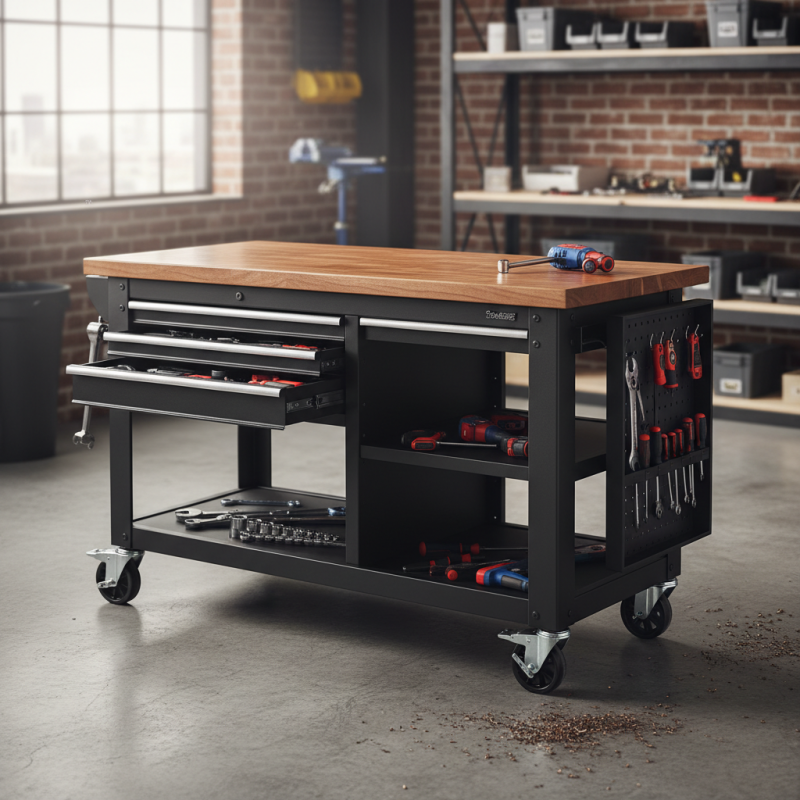
2026 How to Choose the Perfect Rolling Workbench for Your Workspace?

Factors to Consider When Choosing a Rolling Workbench
2026 How to Choose the Perfect Rolling Workbench for Your Workspace?

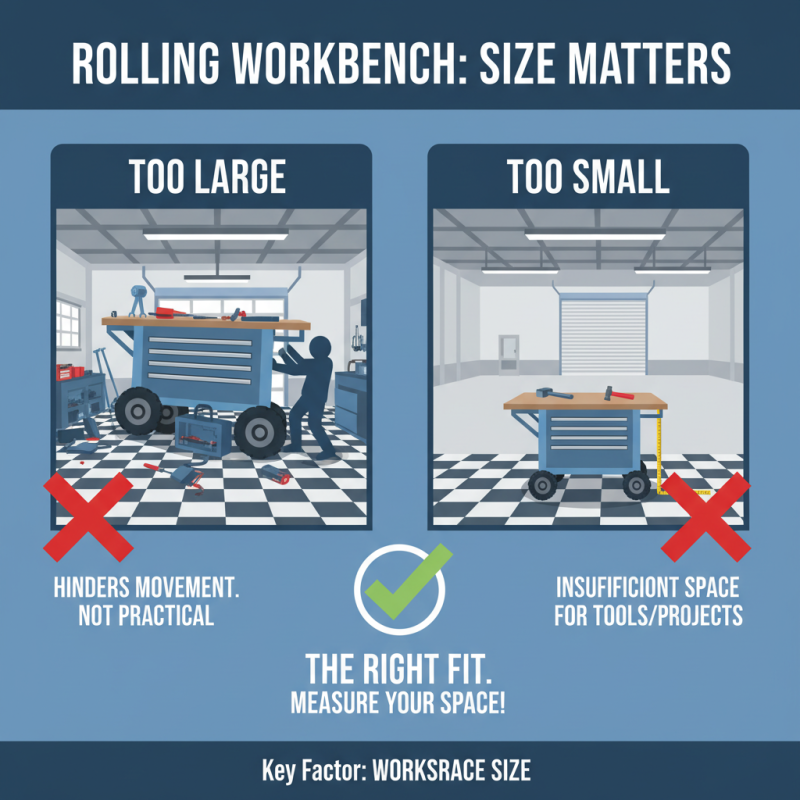
When selecting a rolling workbench, consider the size of your workspace. A bench that is too large can hinder movement. Conversely, one that is too small may not meet your needs. Measure your available space carefully to ensure the perfect fit.

Material is another essential factor. Solid wood offers durability, while metal provides sturdiness. If your work involves heavy equipment, a robust metal frame may be ideal. However, lighter materials can facilitate easier mobility. Think about your daily tasks and choose a suitable material accordingly.

Tips: Look for features like adjustable height to enhance comfort. Wheels should lock securely for safety. Don’t overlook integrated storage options. These can help keep tools organized, saving time during projects. Reflect on how often you'll move the bench. Frequent relocation might favor lighter models.

Types of Rolling Workbenches Available in the Market

Choosing the right rolling workbench can optimize your workspace significantly. Various types cater to different needs, ensuring flexibility and efficiency. Among the most common types are mobile workbenches, which come with wheels for easy movement. These are ideal for spaces where tasks frequently change. In contrast, fixed workbenches provide stability, making them suitable for heavier machinery.

A report by MarketsandMarkets states that the industrial workbench market is projected to grow significantly, reaching a valuation of $900 million by 2026. This growth indicates an increasing demand for versatile workspaces. Portable workbenches are gaining popularity, especially for home workshops. Their adaptability makes them perfect for DIY enthusiasts.

When selecting a rolling workbench, consider your primary tasks. Evaluate space requirements and weight capacity. Not all rolling workbenches can support heavy loads. Furthermore, check for durable materials. Steel frames tend to withstand wear better than composite materials.

Here’s a tip: always assess the wheel type. Larger wheels enhance mobility on uneven surfaces. It’s essential to strike a balance between portability and stability. Consider the dimensions of your workspace and how the workbench will fit into your current setup. Not every choice may meet all expectations; flexibility is key in this decision.

Types of Rolling Workbenches Available in the Market

How to Measure Your Workspace for a Rolling Workbench

Measuring your workspace accurately is crucial when selecting a rolling workbench. Start by assessing the available area in your garage or workshop. Clear out any clutter to visualize the space better. Use a tape measure to gather the width, depth, and height of the area. Allow for sufficient room to maneuver the workbench easily, especially if it has wheels.


Consider the functionality you need. Will it accommodate your tools? How about storage options? Designate zones for different tasks within your workspace. This will guide you in choosing the right size and features for your workbench. A bench that’s too large may cramp your style, while one that’s too small can limit your projects' scope.


Take note of existing furniture and equipment. They can impact your workbench’s placement. Avoid tight spaces where it might be hard to reach your tools. After measuring, make a sketch of your layout. This visual guide will aid in understanding the flow of your workspace. It is essential to reflect on your workflow and make necessary adjustments before committing to a purchase.

Essential Features to Look for in a Rolling Workbench

When selecting a rolling workbench, it’s crucial to consider key features. A sturdy frame is essential. Look for metal construction. Many experts recommend a frame weight capacity of at least 300 pounds. This ensures that the workbench can handle heavy tools and projects. Stability is vital for safety and precision.

Workspace efficiency improves with smart design. Features like adjustable heights can provide comfort and reduce strain. Furthermore, a spacious work surface enables easier task management. Reports show that a well-organized workflow can enhance productivity by 25% or more. All these factors lead to better project outcomes.

Tips: Always check for mobility options, like smooth-rolling casters, for easy movement. Ensure the workspace is clutter-free to avoid accidents. Lastly, assess your actual needs before investing. Sometimes, the perfect solution may not align with what's trendy or popular.

Tips for Maintaining and Enhancing Your Rolling Workbench

A rolling workbench can be a valuable asset for any workspace. To maximize its potential, regular maintenance is essential. Start by checking the wheels. Ensure they roll smoothly and lock securely. A workbench with sticky or squeaky wheels can hinder your workflow. It's a simple fix; clean any debris and lubricate the wheels periodically.

Next, consider the surface of your workbench. Scratches and dents can accumulate over time. A protective coating can preserve its condition. Use a hardwood oil or varnish to keep the surface looking fresh. Additionally, keep essential tools organized. This promotes efficiency and safety during your projects.

Don’t forget about storage solutions. A well-designed rolling workbench should include drawers or shelves. These should be easily accessible yet out of the way. Reflect on your workflow. Does your current setup support your productivity? Evaluate if the present configuration meets your needs. Small adjustments can lead to significant improvements in ergonomics and efficiency.

2026 How to Choose the Perfect Rolling Workbench for Your Workspace? - Tips for Maintaining and Enhancing Your Rolling Workbench

Feature Description Importance Level Maintenance Tips
Size Choose a workbench that fits your workspace and allows for adequate movement. High Regularly measure your workspace to ensure proper fit.
Material Opt for durable materials such as hardwood, steel, or heavy-duty plastics. Medium Keep surfaces clean and free from harsh chemicals.
Mobility Select a workbench with lockable wheels for easy movement and stability. High Check wheel locks regularly to ensure they function correctly.
Storage Options Choose a workbench with sufficient storage like shelves and drawers. Medium Organize regularly to maintain efficiency in your workspace.
Load Capacity Check the weight limit to avoid overloading the workbench. High Distribute weight evenly and avoid placing heavy items on the edges.