How to Choose the Right Thermoforming Machine?
Choosing the right Thermoforming Machine affects product quality, operating costs, and production stability. The decision should begin with the part, not the machine brochure. Consider sheet material, thickness, forming depth, mold size, cycle time, and expected annual output. A compact machine may suit thin packaging, while technical components often need stronger clamping, precise heating, and controlled cooling.
James L. Throne, a respected thermoforming author and industry expert, described the process clearly: “Thermoforming is a process of heating a thermoplastic sheet and forming it over a mold.” This simple statement highlights the machine’s core responsibility. It must heat the sheet evenly, shape it consistently, and release the formed part without distortion. Infrared heater zones, vacuum capacity, plug-assist control, mold compatibility, and trimming integration deserve close attention. Small temperature variations can produce thin corners, webbing, or uneven wall thickness.
Real production conditions matter.
A supplier’s laboratory demonstration may look perfect. Your factory may not. Check operator access, maintenance requirements, spare-part availability, energy consumption, and local technical support. Ask to inspect running equipment with a similar material and product geometry. Review sample parts under actual cycle conditions. No selection method is flawless. A detailed spreadsheet can still overlook cleaning time or difficult mold changes. That is why experienced buyers combine technical data with hands-on trials, transparent supplier communication, and a realistic payback calculation. The best Thermoforming Machine is not always the fastest model. It is the one that repeatedly delivers acceptable parts, manageable downtime, and room for future production changes.
Understanding Thermoforming Machines and Their Main Applications
How to Choose the Right Thermoforming Machine?
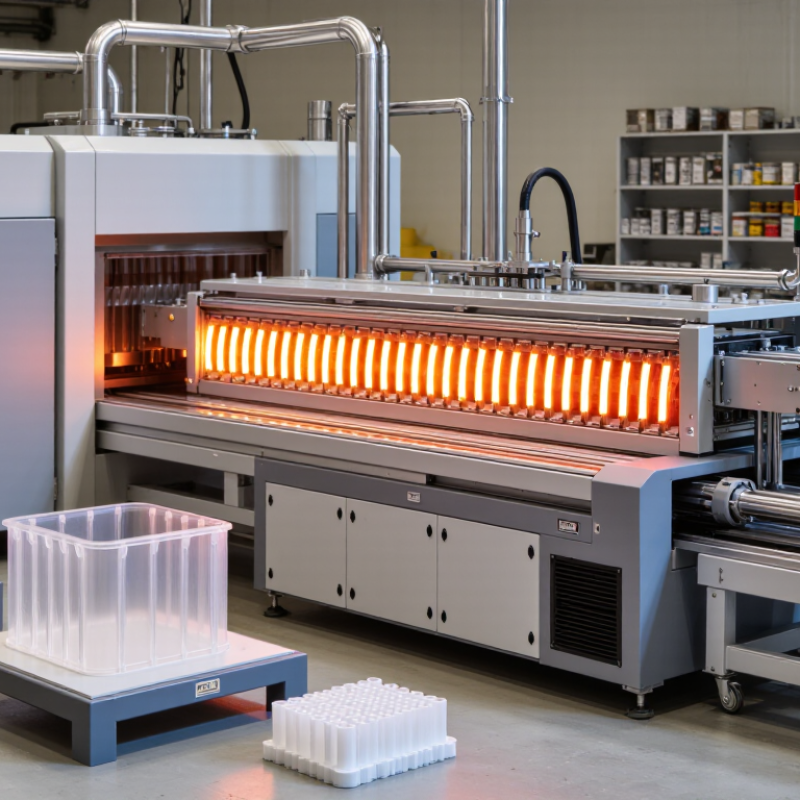
A thermoforming machine heats plastic sheet until it becomes flexible. It then shapes the sheet over a mold using vacuum, air pressure, or both. Vacuum forming suits simple trays and covers. Pressure forming creates sharper details and cleaner surface definition. Twin-sheet systems can produce hollow parts with stronger walls.
These machines serve many industries. Food producers use them for trays, lids, and portion containers. Medical manufacturers need cleanable equipment and repeatable forming conditions. Electronics companies often require accurate housings with controlled wall thickness. Industrial users may form protective covers, panels, or transport inserts. The right choice depends on sheet material, part depth, mold size, heating zones, cycle time, and required tolerance. A larger machine is not always better. It may waste energy and complicate changeovers.
Tips: Test your actual sheet material before purchase. Check heating uniformity across the mold area. Ask for forming data, maintenance records, and operator training details. Measure scrap rates during trials. Small defects matter. A thin corner or uneven edge can expose poor process control. Automatic trimming may improve output, but it can raise service needs. No machine is perfect. Careful trials often reveal compromises that brochures miss. Review production goals every year, because a machine selected for today’s volume may restrict tomorrow’s growth.
Comparing Thermoforming Machine Types and Forming Methods
How to Choose the Right Thermoforming Machine?
Choosing the right thermoforming machine starts with comparing forming methods, not just machine size. Vacuum forming uses air pressure to pull heated sheet against a mold. It suits trays, covers, and products with moderate detail. Pressure forming adds compressed air, creating sharper corners and textured surfaces. It usually demands stronger tooling and tighter process control. Small detail, big effect. In plant trials, I check wall thickness near corners, cooling time, and edge trimming before judging output.
Plug-assist forming can improve material distribution in deep containers. Twin-sheet forming joins two formed sheets, allowing hollow parts with internal space. It offers useful stiffness, but alignment and sealing require careful setup. Single-sheet forming is simpler for many parts. It may still waste material around the flange. Roll-fed machines support continuous production and reduce handling time. Sheet-fed systems offer flexibility for varied sizes and short runs. The best choice depends on volume, sheet dimensions, mold changes, and operator skill.
A reliable selection also compares heating zones, clamping force, mold cooling, controls, and maintenance access. Ask for sample trials using your actual polymer, thickness, and mold geometry. Measure cycle time, scrap rate, thickness variation, and rejected parts. Do not trust a fast demonstration alone. It may hide slow trimming or frequent adjustments. I have seen an efficient-looking line lose value through difficult cleaning and long tool changes. Energy use matters too, but results depend on insulation, heater tuning, and production rhythm. Leave room for learning. No machine removes every forming problem.
Vacuum forming is suitable for simpler shapes and lower tooling costs, while pressure forming provides better surface detail and tighter dimensional control. Twin-sheet forming can create hollow, double-wall parts, and matched-die forming offers the highest precision for demanding applications. The pressure values shown are representative operating ranges commonly used in thermoforming; actual machine capabilities vary by material, part geometry, and tooling.
Evaluating Performance, Automation, Cost, and Maintenance
Choosing a thermoforming machine requires more than checking its maximum cycle rate. Evaluate output using real parts, sheet thickness, mold changes, and scrap records. A fast machine can still lose money when heating zones fluctuate or trimming creates inconsistent edges.
Energy deserves careful attention. The International Energy Agency reported that industry consumed about 37% of global final energy in 2022. Compare specific energy use, measured in kilowatt-hours per kilogram of formed material. Ask for test data under your production conditions. Laboratory figures may look impressive, but factory temperatures, startup losses, and rejected parts can change them.
Automation should reduce handling without creating a difficult system to maintain. PMMI’s 2024 State of the Industry reporting highlights labor availability and uptime as continuing equipment-investment concerns. Check whether sensors record faults, recipes, temperature drift, and cycle changes. Shorter changeovers matter too. Measure them with a stopwatch.
Maintenance costs often hide inside the purchase price. Review access to heaters, chains, vacuum lines, and pneumatic components. Request preventive-maintenance intervals and typical replacement times. A strong service plan should include training, spare-part availability, and clear fault codes. I would also inspect a working installation, not only a sales demonstration. A spreadsheet cannot show awkward access or noisy operation. That is where decisions sometimes fail.
Selecting the Best Thermoforming Machine for Your Operation
Choosing the best thermoforming machine starts with your operation, not the machine’s advertised speed. Review your product dimensions, material thickness, mold layout, and expected daily output. A compact tray line may need precise heating control, while larger parts require stronger clamping and a wider forming area.
In my experience, production teams often underestimate changeover time. Ask how quickly operators can replace molds, adjust temperatures, and clean forming surfaces. Check the machine’s heating zones, vacuum performance, cooling system, and control interface. These details affect consistency more than impressive cycle claims. Confirm that spare parts, technical training, and service support are available. Reliability matters during a long shift.
Tips: Compare real production samples, not only brochures. Request a trial using your own material and mold. Measure cycle time, scrap rate, energy use, and operator effort. Leave space for future capacity, but avoid buying excessive power today. It can increase maintenance costs. A perfect machine does not exist. Even experienced teams can choose poorly when they overlook workflow, ventilation, or floor access. Record every test result, including small faults and setup delays. Those notes may reveal the machine that fits your operation best.