
In the realm of manufacturing, Stainless Steel Tube Fabrication stands as a vital process. It is crucial for various industries, from automotive to construction. Mastering this technique involves an understanding of both material properties and fabrication methods. Precision is key, as even minor mistakes can lead to significant issues.
Achieving excellence in Stainless Steel Tube Fabrication requires skilled craftsmanship. Welders and fabricators must pay attention to detail, ensuring clean cuts and strong joints. However, mastering these skills doesn't happen overnight. It takes time, practice, and reflection on each project's challenges and outcomes.
Moreover, the choice of tools significantly impacts the fabrication process. Selecting the right equipment can make or break a project. Ineffective tools may lead to poor results and wasted resources. Every fabricator must evaluate their approaches regularly, keeping in mind that improvement is an ongoing journey.
When it comes to fabricating stainless steel, understanding its properties is crucial. Stainless steel is known for its corrosion resistance, which makes it ideal for various environments. It features a unique chromium content that forms a protective layer. This layer prevents rust and extends the material's lifespan. However, this resistance can vary depending on the specific alloy used. Different grades of stainless steel offer different attributes, like weldability and strength, which can significantly influence fabrication techniques.
In fabrication, heat treatment is another vital aspect. Stainless steel can be sensitive to extreme temperatures. This sensitivity may lead to warping or loss of mechanical properties if not managed properly. Often, engineers must reflect on their heating methods to ensure effectiveness. Not all stainless steel behaves the same way under stress. While some grades might bend easily, others may fracture upon impact. Understanding these nuances can aid in selecting the right material and approach for each project, reducing errors and enhancing performance.
When embarking on stainless steel tube fabrication, the right tools and equipment are crucial for success. A tube bender is essential, allowing for precise curves and angles. Ensure it can handle various diameters to increase flexibility in design. Moreover, a quality cutting tool is vital. A band saw or a precision chop saw ensures clean cuts for better fitting and alignment.
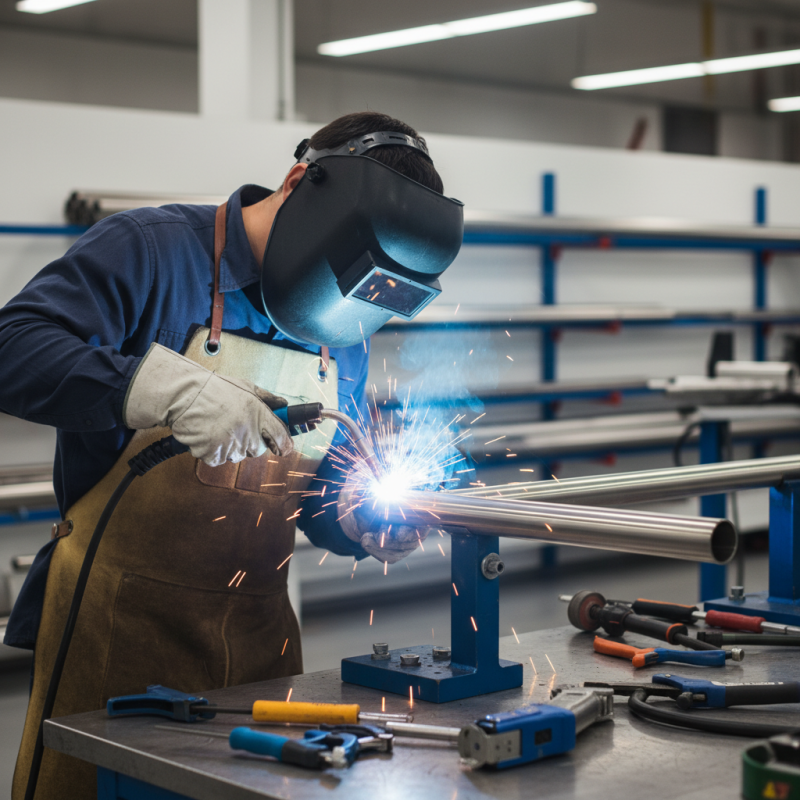
Welding equipment cannot be overlooked. TIG and MIG welders offer different benefits, with TIG providing finer control and better aesthetics. It's also important to have proper safety gear. Gloves, masks, and noise protection should be standard in your workshop. These items protect workers from hazards during fabrication.
Other helpful tools include deburring machines, which smooth sharp edges. This minimizes injury risk and improves the overall finish. Be aware that not every tool will work perfectly for every project. Testing different equipment may lead to discovering more effective processes. Adjustments and modifications might be necessary. Overall, the right tools can significantly enhance the fabrication process, but ongoing refinement is key to achieving superior results.
Cutting and shaping stainless steel tubes require precision and the right techniques. Stainless steel is durable, resistant to corrosion, and widely used in various industries. According to a recent report by the International Stainless Steel Forum, the global demand for stainless steel is expected to reach over 50 million metric tons by 2025. This growth highlights the importance of mastering fabrication techniques.
One effective method for cutting stainless steel tubes is using a band saw. This tool provides a smooth edge, minimizing the need for further processing. When using a band saw, ensure to adjust the blade speed according to the tube’s thickness. Incorrect speeds can lead to poor cuts. Another common technique is the use of a plasma cutter. It can handle thicker materials quickly. However, it may produce rough edges that require additional finishing, creating extra work.
Tip: Always wear safety gear when fabricating metal. Protecting yourself from sparks and metal shavings is essential. It's also crucial to keep your workspace organized. A cluttered area increases the likelihood of accidents and mistakes. Lastly, after shaping, check the dimensions with precision measuring tools for accuracy. Inconsistent measurements can compromise the integrity of the final product, leading to costly revisions.
| Technique | Description | Recommended Tools | Best Practices |
|---|---|---|---|
| Cutting | Use a saw or plasma cutter designed for stainless steel to ensure clean edges. | Band saw, plasma cutter | Maintain a steady feed rate to prevent overheating. |
| Bending | Cold bending is recommended for thinner tubes, while hot bending is required for thicker sections. | Tube bender, heat source | Use a mandrel for tighter bends to prevent wrinkling. |
| Welding | TIG welding is preferred for stainless steel to produce a strong, clean joint. | TIG welder, filler rod | Purge the pipe to avoid contamination within the weld. |
| Finishing | Polishing and passivation help enhance corrosion resistance. | Polisher, passivation solution | Ensure the surface is free from contaminants before treatment. |
When it comes to stainless steel tube fabrication, selecting the right welding method is crucial. MIG and TIG welding are two popular choices. Both techniques offer benefits, but also come with challenges. MIG welding is faster, which helps in high-volume projects. However, TIG welding provides superior control and a cleaner finish.
MIG welding can be tricky. It requires precise setup to avoid defects. Contamination can lead to weak joints. On the other hand, TIG welding demands more skill. It is slower and requires steady hands. The welder must manage heat carefully to prevent warping.
Both methods require attention to joint preparation. Cleaning the surfaces is essential for good welds. In some cases, pre-heating the metal can help. The choice of filler material impacts strength and durability. Flaws can slip through if quality is not maintained. Each project may need a different approach, so reflection and adjustment are key.
When it comes to enhancing the quality of stainless steel tubes, finishing techniques play a crucial role. Proper surface treatment ensures durability and aesthetic appeal. One effective method is polishing, which removes surface imperfections. This process not only improves appearance but also reduces corrosion risk.
Another useful technique is passivation. This involves treating the stainless steel with acid to enhance its natural oxide layer. This layer protects against rust and stains. It’s essential to rinse thoroughly after treatment to remove any remaining chemicals.
Tip: Always inspect the surface before starting any finishing process. Identifying flaws early saves time and materials. Not every surface is perfect; imperfections can affect performance. A mindful approach to each step leads to higher quality outcomes. Keep in mind that each tube may require a tailored finishing approach, depending on its intended application.
1901 West Main Street
Washington, MO 63090
Main Directory: 1-800-227-4873
Email: sale@pangcofurniture.com

We’re always looking for talented individuals to join our team. Send us your resume using the form below. When a position comes available that matches your skillset, one of our team members will reach out to you.
"*" indicates required fields