Top Tool Chest Workbench Designs for Every DIY Enthusiast?

Creating an efficient workspace is crucial for every DIY enthusiast. A well-designed tool chest workbench can significantly enhance productivity. These workbenches combine storage and workspace elegantly, catering to various projects and needs.

When choosing a tool chest workbench, consider the layout. Ideal designs include ample storage for tools and materials. Many DIY enthusiasts overlook the importance of organization. Too often, clutter accumulates. This can hinder creativity and efficiency.

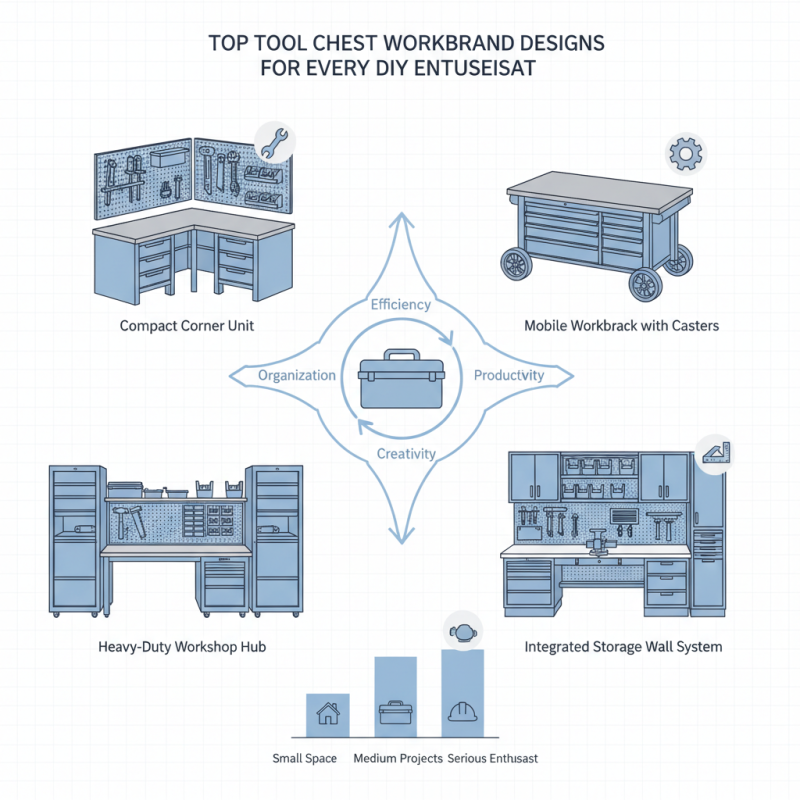
Exploring different designs helps find the perfect match. Some workbenches are compact, making them suitable for small spaces. Others offer extensive storage, ideal for serious projects. Reflecting on personal needs can lead to better choices. Ultimately, a functional tool chest workbench can transform any workspace into a DIY haven.
Top Tool Chest Workbench Designs for Every DIY Enthusiast?

Essential Features of a Top Tool Chest Workbench for DIY Projects

When designing the perfect tool chest workbench for DIY projects, essential features should not be overlooked. A sturdy surface is crucial. The workbench should be solid enough to withstand heavy tools and activities. Reports indicate that a workbench height of about 36 inches suits most users. This ensures comfort during projects.

Storage plays a vital role too. Multiple drawers and compartments help organize tools. Statistics show that organized workspaces can boost productivity by as much as 20%. Keep frequently used tools within reach. This minimizes time wasted searching for necessary items. A pegboard can also enhance organization.

Tip: Consider integrating a power strip into your design. This allows easy access to electricity, making it seamless to use power tools.

Lighting should not be neglected. Proper illumination reduces eye strain during detailed tasks. Aim for a bright, focused light source above your work area. Remember, a cluttered workspace not only affects efficiency but also safety. Regularly assess your layout. A small tweak can significantly improve functionality.

Top Tool Chest Workbench Designs for Every DIY Enthusiast

Workbench Design Dimensions (L x W x H) Material Storage Features Weight Capacity
Compact Folding Workbench 30" x 20" x 29" Wood and Metal 1 Shelf, 2 Drawers 300 lbs
Heavy-Duty Workbench 60" x 30" x 36" Steel 3 Shelves, 4 Drawers 1500 lbs
Mobile Workbench 48" x 24" x 34" Wood 2 Cabinets, 1 Drawer 500 lbs
Corner Workbench 50" x 50" x 36" Laminate Open Shelving 600 lbs
Workbench with Tool Storage 72" x 24" x 34" Plywood Big Top Drawer, 6 Pegboards 1000 lbs

Popular Workbench Designs to Maximize Storage and Functionality

When crafting the perfect workbench, storage and functionality should be at the forefront. Many DIY enthusiasts find themselves overwhelmed with tools scattered everywhere. A well-designed tool chest workbench can change everything. Imagine a sturdy surface that supports heavy projects while brilliant storage solutions keep everything within reach.

Consider adding pegboards above your work area. They provide an easy way to hang tools. This not only keeps the workspace tidy but also maximizes vertical space. Drawers underneath the bench can hold smaller items like screws and nails. However, it’s easy to forget what’s stored in there. Regular organization and decluttering are essential.

Another popular design includes shelves that allow access from both sides. This offers flexibility while working. You can restock supplies without interrupting your workflow. Nonetheless, building the perfect bench requires trial and error. What works for one might not suit another. Be prepared to adjust designs and rethink layouts as your skills evolve.

Top Tool Chest Workbench Designs for Every DIY Enthusiast

Step-by-Step Guide to Building a Custom Tool Chest Workbench

Building a custom tool chest workbench can be an exciting project for DIY enthusiasts. Start by selecting the right materials. Plywood is often a great choice for the top. Choose a sturdy wood that can withstand heavy tools. Make sure to measure your space. It should fit comfortably in your workshop.

Next, gather your tools. A saw, drill, and screws are essentials. You might find the process challenging. Aligning pieces perfectly can be tricky, and sometimes the wood can splinter. Don’t rush; slow down and check your measurements repeatedly. Mistakes can happen, so keep some extra wood on hand.

After constructing the base, it’s time for compartments. You may want to include drawers and shelves. Organize your tools for easy access. Consider using dividers to keep items separated. Your design might not be perfect, and that’s okay. Reflect on what works and what doesn’t as you build. Adjustments along the way will enhance your final product.

Tips for Organizing Your Tool Chest for Efficient Workflow

Top Tool Chest Workbench Designs for Every DIY Enthusiast?

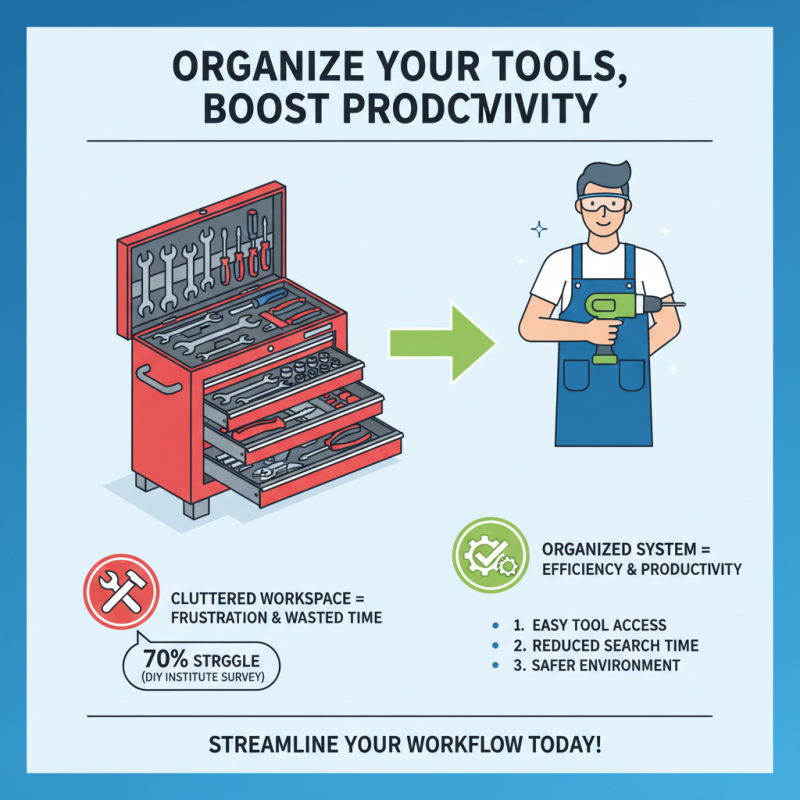
Organizing a tool chest can dramatically improve workflow. According to a survey by the DIY Institute, nearly 70% of home improvement enthusiasts struggle with tool disarray. A cluttered workspace leads to frustration and wasted time. Creating an organized system can enhance both efficiency and productivity.

Start by categorizing tools. Group similar items together—hand tools, power tools, and specialty tools. Drawer dividers and labeled bins can help with this process. Studies suggest that visually categorizing tools can reduce search time by up to 30%. Use magnetic strips for small tools. Magnetic strips save space and keep essentials within reach.

Regularly assess your organization. Tools may accumulate, leading to chaos. Remove items that are seldom used. Reflect on your workflow habits. What tools do you often overlook? Making adjustments can lead to a more streamlined and enjoyable DIY experience.

Maintaining and Upgrading Your Workbench for Long-Term Use

Top Tool Chest Workbench Designs for Every DIY Enthusiast?

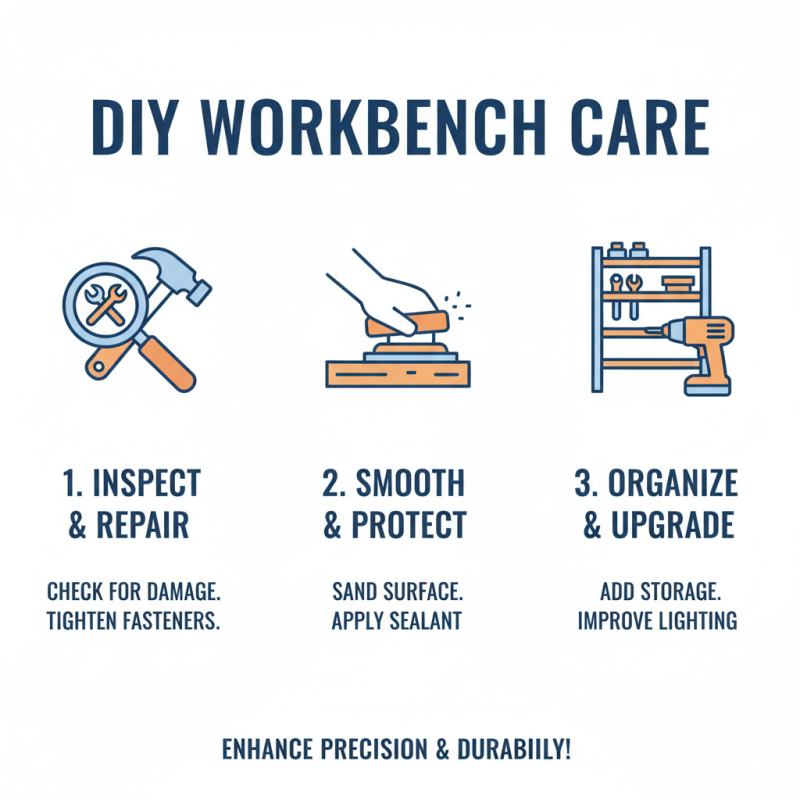
Maintaining and upgrading your workbench is essential for any DIY enthusiast. A durable workbench can greatly enhance your projects. Regularly check for any damage or wear. This simple maintenance task can prevent larger issues down the line. Sand the surface periodically to keep it smooth. A smooth surface allows better work precision and avoids tool damage.

Consider adding storage solutions to improve functionality. Drawers or shelves can help organize your tools. Sometimes, it’s easy to overlook clutter. But a tidy workspace can boost creativity. You might find yourself spending longer searching for tools rather than using them. Adding a light fixture can also enhance visibility. Good lighting helps you see details clearly.

Upgrading your workbench can be exciting. Adding new features like a vice or power strip can truly enhance your workspace. But it’s also okay to reflect on what you really need. Sometimes extra features may create distractions. Focus on simplicity to maintain efficiency. A well-thought-out workspace fosters productive habits, which is crucial for any DIY enthusiast.