What Is a Lead Flange Used For?
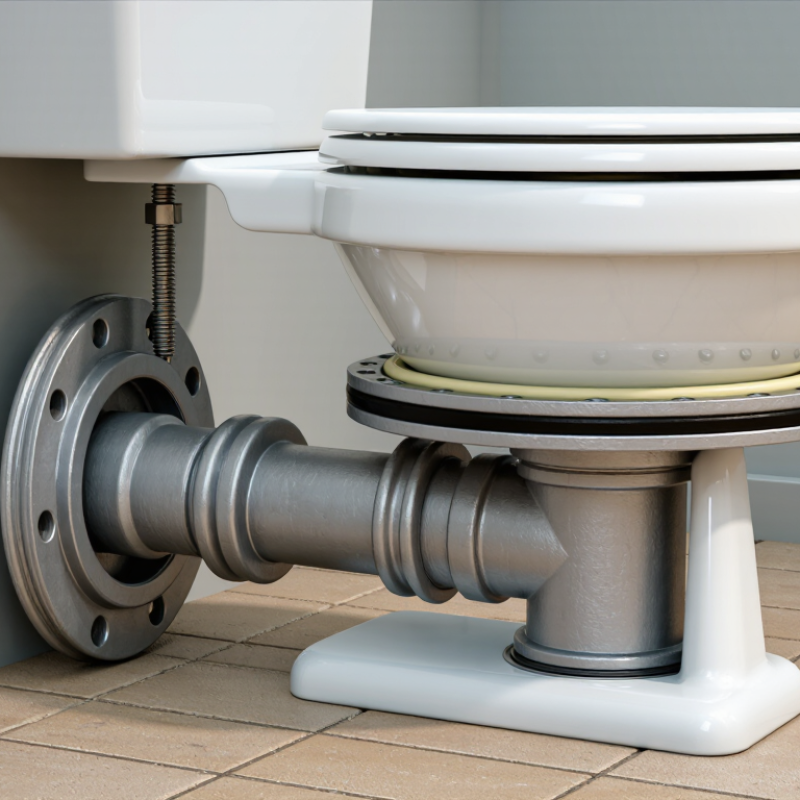
A Lead Flange is a shaped connection used in some older plumbing systems, commonly where a toilet meets a lead drain pipe. It helps create a wide, stable rim at floor level. The toilet sits above it, while a seal and mounting bolts help keep the fixture secure and limit leaks. Simple job. Its exact form depends on the pipe and installation.
The term can also describe other lead components, so context matters. In this guide, Lead Flange refers mainly to the plumbing fitting found around a toilet outlet. It is not a universal part, and newer systems often use different materials and connection methods. That distinction is easy to miss when inspecting an older bathroom.
Lead requires careful attention. If a flange is cracked, loose, or leaking, avoid cutting, sanding, or disturbing it yourself. A qualified plumbing professional can identify the material, check nearby connections, and recommend a suitable repair or replacement. Look for staining, soft flooring, or recurring odors, but remember that these signs do not prove the flange is the cause. A careful inspection matters more than a quick guess. The right solution depends on the pipe condition, floor structure, and local requirements. This guide explains what a Lead Flange does, where it is used, and what to consider before repair.
What a Lead Flange Is and How It Is Constructed
A lead flange is a flat, projecting rim or shaped collar made from lead sheet. In building work, it commonly surrounds a pipe where it passes through a roof or other waterproofed surface. The flange spreads beyond the opening, creating an area that can be dressed into the surrounding roof covering. The exact design varies. The term is sometimes used loosely, so check the product drawing before specifying one.
Construction starts with lead sheet selected for the job’s dimensions and exposure. A fabricator cuts a blank, forms an opening for the pipe, then shapes the metal into a collar and broad flange. The lead is malleable, so it can be dressed by hand around a pipe and pressed to follow nearby contours. Small details matter: sharp folds, uneven edges, or an undersized flange can leave weak points for water entry.
A good fit is snug, not forced. The flange must suit the pipe diameter and roof material, with its edges integrated into the waterproofing system. Lead is also a hazardous material if dust or fragments are created. Avoid sanding or grinding it, and use qualified handling and installation practices. Not every detail is obvious at a glance. Check the installation instructions.
What Is a Lead Flange Used For? — What a Lead Flange Is and How It Is Constructed | Aspect | Description | Practical Notes |
| What it is | A lead flange is generally a formed lead sheet or flashing component used to seal around a pipe or other penetration, particularly where it passes through a roof. | The term can describe different products. Confirm the intended application and product details before specifying one. |
| Primary use | It helps shed rainwater and reduce water entry at the junction between a roof surface and a penetrating pipe. | It is part of the roof’s weatherproofing system; correct integration with the roof covering is essential. |
| Typical locations | Lead pipe flashings are used around some roof penetrations, such as vent or soil pipes, when the roofing system and local requirements permit lead. | Suitability depends on the roof material, exposure, building requirements, and compatibility with adjacent materials. |
| Main material | The flashing is made from lead sheet, which can be shaped to fit the roof profile and dressed around a pipe. | Lead is a toxic material. Avoid creating or inhaling lead dust, follow applicable handling guidance, and wash hands after contact. |
| How it is constructed | A typical pipe flashing has a flat or profiled base that lies over or under selected roof-covering courses, plus a lead sleeve or upstand formed around the pipe. | Exact shape, sheet thickness, and detailing vary by product, roof type, and pipe size. |
| How it works | The base directs water back onto the roof surface, while the formed section creates a close-fitting weathering detail around the penetration. | It does not replace sound roofing, properly fitted pipework, or any required secondary waterproofing. |
| Installation considerations | The flashing must be positioned and dressed so it follows the roof profile and sheds water without obstructing the pipe. | Installation should follow the product instructions and relevant roofing standards. Lead work may require a qualified installer. |
| Important limitation | A roof lead flashing is not, by itself, a pressure-rated pipe flange or a structural pipe connection. | Use a purpose-designed mechanical flange or connector when a pressure-containing or load-bearing connection is required. |
How a Lead Flange Creates a Secure Connection
A lead flange is used to connect a lead drain pipe to a plumbing fixture, often at a toilet outlet. In some older installations, the lead pipe is shaped over or joined to the flange so the parts fit together. The flange is fastened to the floor, giving the toilet bolts a stable anchor. A wax ring or compatible seal sits between the toilet and flange to help prevent leaks and sewer odors. A firm connection matters.
The seal depends on more than tight bolts. The flange must sit at a suitable height, remain level, and show no cracks or excessive corrosion. If the pipe moves, or the floor flexes, the seal can fail even when the toilet feels secure. A clean-looking joint is not proof of a sound one; inspecting the pipe and surrounding floor is easy to overlook.
Tips: Check that the flange is firmly attached and the toilet does not rock before relying on the seal. Use parts suited to the existing pipe, and avoid forcing a poor fit. When lead is damaged or the connection is unclear, have a qualified plumber assess it. The right repair depends on the pipe’s condition.
Common Uses of Lead Flanges in Piping Systems
A lead flange provides a bolted connection between lead pipe and compatible piping, valves, or equipment. In older systems, it can make a pipe section easier to disconnect for inspection or repair. The flange faces are held together with bolts and a suitable gasket. Lead is soft, though, so uneven pressure can deform the joint. Small details matter.
Common uses are mainly found in existing drainage, plumbing, and specialist process lines where lead piping was installed historically. Its corrosion resistance suited certain applications, but suitability depends on the fluid, temperature, pressure, and connected materials. A flange that looks intact may still conceal a weakened pipe or poor seal. That is easy to miss. Lead components can also contaminate drinking water, so they should not be treated as suitable for new potable-water installations.
Tips: Have a qualified piping professional assess any existing lead flange before reuse. Check for movement, corrosion, leakage, and damaged gasket surfaces. Avoid tightening bolts unevenly; soft lead can distort. If the line carries drinking water, arrange testing and discuss replacement options with a qualified professional. The right choice depends on the entire system, not the flange alone.
Why Lead Flanges Are Used in Specialized Piping Systems
Lead’s high density makes it useful in specialized systems where radiation shielding is needed. Lead flanges can join lead piping or lined components in suitable applications. Lead is toxic, and its chemical compatibility and use are subject to strict safety requirements; density alone does not determine whether it is suitable for a piping system.
Key Factors in Selecting and Installing a Lead Flange
A lead flange is commonly used to seal a pipe where it passes through a roof. Its wide, flexible base sheds rain around the opening, while its collar fits closely around the pipe. A poor fit can let water travel beneath the roofing, sometimes appearing indoors far from the actual leak.
Choose a flange by checking the pipe’s outside diameter, roof pitch, and roofing material. The collar should suit the pipe without forcing or excessive gaps. The base must lie flat and integrate with the surrounding roof layers; steep pitches and uneven surfaces may need extra care. Fit matters. Before installation, inspect the roof for brittle tiles, loose fasteners, and old sealant that could interfere with the flashing. Shape the lead gradually, so it sits snugly without sharp folds or cracks. Secure it as appropriate for the roof assembly, and avoid relying on sealant alone as the main water barrier. Small gaps matter.
Lead is soft and workable, but it can be damaged by rough handling. Wear gloves, keep scraps contained, and wash your hands after contact. Do not cut or sand it casually; dust and debris need careful control. There is no perfect detail for every roof. If the flange rocks, wrinkles badly, or leaves the pipe collar loose, pause and reassess the size or installation rather than hiding the problem with more sealant.
Safety and Maintenance Considerations for Lead Flanges
A lead flange joins or anchors lead piping, or connects a lead lining to compatible equipment, where the design calls for lead’s malleability or shielding properties. It is not a drop-in substitute for steel. Lead can deform under load, so check the specified pressure, temperature, support, and gasket before installation. The details matter.
During maintenance, inspect for cracks, loosened fasteners, corrosion at adjoining materials, and signs of seepage. A dull, stained surface does not prove the joint is sound. Avoid dry scraping, sanding, or cutting; these tasks can create lead-bearing dust. Use qualified personnel, suitable containment, and work practices that prevent contamination of clothing and nearby surfaces. Keep the area controlled. Wash hands before eating or drinking.
Air monitoring helps verify controls. OSHA’s lead standard sets an action level of 30 micrograms per cubic meter and a permissible exposure limit of 50 micrograms per cubic meter, each measured as an eight-hour time-weighted average (29 CFR 1910.1025). These are workplace exposure limits, not a guarantee that every task is safe. NIOSH’s Pocket Guide to Chemical Hazards also identifies inhalation and ingestion as exposure routes. Maintenance records should note inspection findings, repair materials, and any exposure-control measures. A visual check alone can miss trouble.