What Are Work Gloves Used For?
Work Gloves help reduce hand exposure to common workplace hazards. These can include rough lumber, sharp edges, dirt, moisture, heat, and certain chemicals. The right pair may also improve grip when handling tools, boxes, or materials. But gloves are not interchangeable. A fabric glove suited to light assembly may offer little protection against a sharp edge or hot surface.
Choosing gloves starts with the task. Consider the hazards, how long the gloves will be worn, and whether the work requires precise finger movement. Check product labels and manufacturer guidance for suitable uses, limitations, and care instructions. Chemical resistance, for example, depends on the specific glove material and chemical. A general-purpose label is not enough. Fit matters. Gloves that are too loose can catch on equipment, while tight ones may restrict movement or cause discomfort. Replace pairs that are torn, worn, or contaminated according to workplace procedures.
It is easy to assume thicker means safer, but that is not always true. Added material can reduce dexterity, and no glove protects against every hazard. Workers should follow their workplace safety guidance and use other protective measures when needed. The useful question is not simply which gloves are strongest. It is which pair is appropriate for the task, the exposure, and the person wearing it. Small details count, including secure cuffs and a grip suited to the material being handled. A careful choice can support safer, more comfortable work.
Definition and Basic Function of Work Gloves
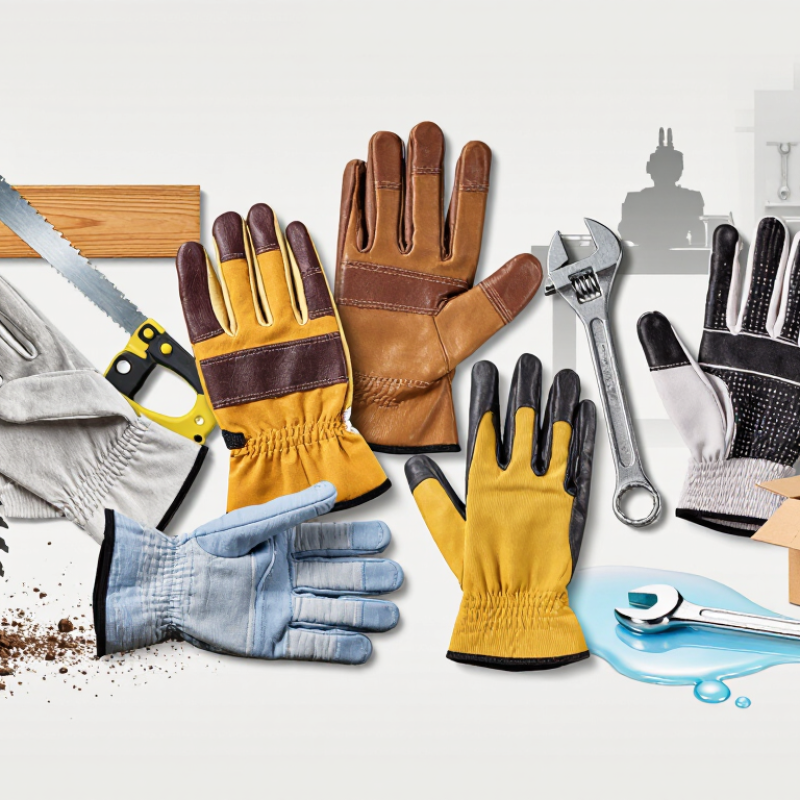
Work gloves are personal protective equipment worn to reduce hand exposure during specific tasks. They form a barrier between skin and hazards such as rough edges, sharp materials, heat, moisture, or certain chemicals. Their basic function is not to make every task safe; it is to lower particular risks while allowing useful hand movement. The right glove depends on the hazard. A thick, padded glove may cushion a palm carrying rough timber, while a close-fitting glove can preserve finger control during small-part assembly. No glove does everything well.
The scale of workplace risk matters. The U.S. Bureau of Labor Statistics reported 2.8 million nonfatal workplace injuries and illnesses in private industry in 2022. That figure covers many kinds of incidents, not hand injuries alone, but it shows why practical protection deserves attention. Fit and condition matter, too. A loose glove can catch on moving equipment, while a torn glove may expose skin. Even a suitable pair can reduce touch sensitivity. That trade-off is easy to overlook. Workers should check task hazards, glove condition, and fit before use; choosing protection is sometimes less straightforward than it sounds.
| Glove Type or Feature | Basic Function | Common Tasks | Important Limitations |
|---|---|---|---|
| General-purpose work gloves | Help protect hands from minor abrasions, dirt, and light handling hazards while improving grip. | Moving boxes, handling materials, landscaping, and routine maintenance. | Protection varies by design; these gloves are not automatically suitable for sharp edges, chemicals, or high heat. |
| Cut-resistant gloves | Reduce the risk of cuts from specified sharp objects when selected for the task and used correctly. | Handling sheet metal, glass, or sharp-edged components. | Cut resistance does not mean cut-proof. Check the glove’s tested performance and use suitable tools and safe handling practices. |
| Impact-protection gloves | Provide padding or protective elements over parts of the hand to help reduce some impact and pinch-related injuries. | Material handling, construction work, and tasks involving possible knocks to the hands. | They may not prevent all injuries and can restrict movement or dexterity; choose a design appropriate to the hazards. |
| Heat-resistant gloves | Help reduce heat exposure during brief contact or handling, within the glove’s specified temperature limits. | Working with warm materials, hot equipment, or certain food-service and industrial tasks. | Heat protection depends on material, contact time, and temperature. These gloves are not necessarily suitable for flames or molten materials. |
| Chemical-resistant gloves | Help prevent skin contact with particular chemicals when the glove material is compatible with them. | Cleaning, laboratory work, and handling selected chemicals. | No single glove material protects against every chemical. Consult chemical compatibility information and inspect gloves for damage. |
| Water-resistant or waterproof gloves | Help keep hands dry in wet conditions, depending on the glove construction and closure. | Outdoor work, washing tasks, and handling wet materials. | Water resistance does not guarantee chemical protection, and some designs may reduce breathability or grip when wet. |
| Insulated work gloves | Help reduce heat loss from the hands in cold environments. | Outdoor work, cold storage, and handling chilled materials. | Insulation can reduce dexterity. Select gloves suited to the temperature, task, and need for fine hand movement. |
| Grip-enhanced palms | Improve friction between the glove and handled objects to support a more secure hold. | Carrying tools, handling packages, and working with materials that are dry or lightly oily. | Grip can change with moisture, oil, surface condition, and wear. Gloves should fit securely without restricting circulation. |
Footer
Affiliations