
What Are Wine Filter Sheets and How Do They Work?

wine filter sheets are simple-looking tools that play a serious role in winemaking. They help remove suspended particles, yeast cells, and other unwanted material before bottling. A clear glass may show the result, but it does not explain the process. This guide examines what wine filter sheets are, how they are constructed, and why their design affects filtration quality.

In practical winemaking, these sheets are placed inside a compatible filter housing. Wine passes through their tiny pores under controlled pressure. The sheet captures particles through both surface filtration and depth filtration. Some particles remain on the outer layer. Others travel into the sheet and become trapped within its fibers. The result can be brighter wine and improved visual stability. However, clearer wine is not automatically better wine. Excessive filtration may reduce texture, aroma, or character. That trade-off deserves attention.

Material choice matters. Cellulose-based sheets, blended fibers, and specialized media can provide different flow rates and retention levels. Experienced producers usually check the wine’s turbidity, pressure, temperature, and expected volume before selecting a grade. They also inspect the sheets carefully and follow the manufacturer’s handling instructions. Small mistakes can cause leaks or uneven filtration. That lesson is easy to overlook.

This article offers a practical, evidence-aware introduction to wine filter sheets. It explains their structure, working principle, common grades, preparation steps, and limitations. Readers will also see why filtration decisions should combine technical data with sensory judgment. No single sheet suits every wine. Good results require patience, clean equipment, and thoughtful evaluation.
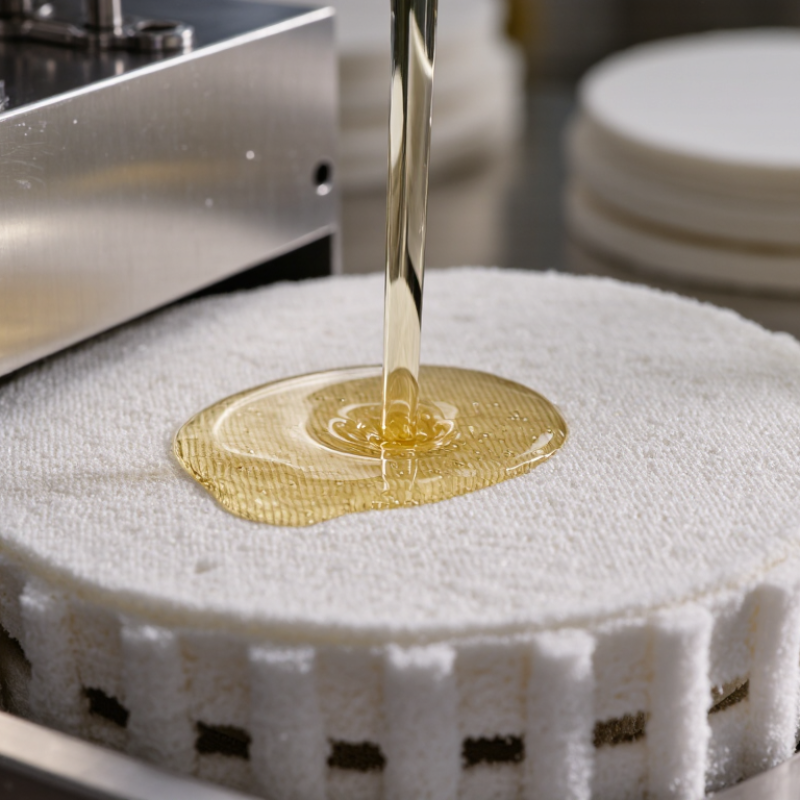
What Are Wine Filter Sheets and How Do They Work?

What Are Wine Filter Sheets?

Wine filter sheets are flat, porous layers used to clarify wine before bottling. They are commonly made from cellulose fibers, sometimes blended with mineral filtration aids. Their structure contains tiny pathways that hold back suspended particles as wine passes through.

A sheet may capture yeast, grape fragments, tartrate crystals, and other visible haze. Different grades have different pore structures. Coarser sheets remove larger particles, while finer sheets provide brighter clarity. The sheets usually fit inside a plate-and-frame or enclosed sheet filter. Wine enters under controlled pressure, moves through the sheet, and exits with fewer suspended solids.

Preparation matters. Operators should wet the sheets correctly, check the flow direction, and sanitize equipment according to written procedures. Excessive pressure can damage the sheet or push unwanted material through it. Slow flow may improve retention, but it can also increase processing time and wine exposure to air. That trade-off deserves attention.

Clear wine is not automatically better wine. Very fine filtration may reduce some texture or aroma, depending on the wine and filter grade. I would measure turbidity, monitor pressure, and taste samples before making a final choice. A small trial often reveals more than a confident assumption. Filter sheets are practical tools, but their performance depends on material quality, wine condition, and careful handling.

How Wine Filter Sheets Are Constructed

Wine filter sheets are porous depth-filtering materials used to clarify wine before bottling. Their construction usually combines cellulose fibers with mineral filter aids, such as diatomaceous earth or perlite. Some formulations also include wet-strength binders. These ingredients are mixed with water, formed into a flat mat, pressed, and dried under controlled conditions.

The finished sheet contains a network of uneven pores. Larger particles meet the surface, while smaller particles travel deeper into the matrix. Manufacturers adjust fiber length, mineral content, thickness, and compression to create different retention grades. Coarser sheets remove visible haze and yeast. Finer sheets capture smaller suspended particles. However, a sheet rating is not an absolute promise in every wine.

That matters in real cellars. Wine viscosity, temperature, colloids, and flow pressure can change performance. A 2024 International Organisation of Vine and Wine report estimated global wine production at about 237 million hectolitres in 2023, showing the scale of consistent clarification needs. Yet scale does not eliminate variation. The Australian Wine Research Institute notes that filtration results depend strongly on wine composition and operating conditions.

A practical check is essential.

Operators often inspect the sheet’s texture, wet it evenly, and monitor pressure rise during use. A rapid pressure increase may signal excessive solids or poor prefiltration. My own caution is simple: “fine” does not always mean “better.” Overly tight sheets can slow production and may remove desirable components. Construction choices should match the wine, not merely the smallest advertised pore size.

How Wine Filter Sheets Remove Wine Particles

Wine filter sheets are flat, porous pads used to clarify wine before bottling or storage. Their main purpose is removing suspended particles without stripping every desirable feature. These particles may include yeast, grape solids, protein haze, and small crystals. The sheets work through depth filtration, not simple surface screening. Still, filtration is not magic.

During filtration, wine passes through a maze of tiny channels inside the sheet. Larger particles become trapped near the surface or within deeper layers. Smaller particles travel farther before becoming attached to the sheet fibers or filter aids. Different pore ratings provide different levels of clarification. Coarser sheets remove visible sediment, while finer sheets target a brighter, more polished appearance.

Operators usually wet the sheets first and check for leaks around the frame. This prevents dry channels from allowing cloudy wine to bypass the filter. Pressure must remain controlled because excessive force can damage the sheet or push particles through it. In practical cellar work, a slow, steady flow often gives more reliable results.

Filter sheets can reduce haze, but they cannot correct every wine fault. They also do not automatically guarantee sterile wine unless the complete process is validated for that purpose. A clear sample can still lose aroma if filtration is too aggressive. That possibility deserves careful testing.

Types of Wine Filter Sheets and Their Uses

What Are Wine Filter Sheets and How Do They Work?

Wine filter sheets are porous materials used to remove suspended particles, yeast, and some microorganisms before bottling. They usually work through depth filtration. Wine travels through a compressed fibre network, while particles become trapped inside the sheet. The correct type depends on wine clarity, microbial risk, and production scale. The OIV reported approximately 237 million hectolitres of global wine production in 2023, so filtration decisions affect an extensive and varied industry.

Coarse depth sheets often remove visible sediment after pressing or fermentation. Their typical retention range may sit around 5–20 microns, depending on the manufacturer’s specifications. Finer depth sheets, commonly near 1–5 microns, create a cleaner appearance before final treatment. They suit young wines that still contain fine yeast particles. Use gentle pressure. Excessive pressure can compact the sheet and reduce flow.

Polishing sheets provide finer clarification, but they can also strip desirable texture when used aggressively. Membrane sheets or membrane modules, often rated near 0.45 microns, support microbial reduction before bottling. That rating is not automatically a sterility guarantee. Validation remains essential. A 2023 technical review from the Australian Wine Research Institute highlights how filtration performance depends on turbidity, pressure, and wine composition. In practice, a clear sample can still carry filtration problems. A micron label alone can mislead. Operators should record pressure, flow rate, wine temperature, and filter condition during each run. This is where real production experience matters.

What Are Wine Filter Sheets and How Do They Work? – Types of Wine Filter Sheets and Their Uses

Filter Sheet Type Typical Construction Approximate Retention Range Primary Wine Application What It Removes Main Advantages Important Limitations Operating Considerations
Coarse Depth Sheet Cellulose fibers, often combined with mineral filter aids such as diatomaceous earth or perlite Approximately 10–20 μm Initial clarification of young red, white, and rosé wines after settling or racking Large suspended particles, gross lees, grape fragments, and visible sediment High dirt-holding capacity; helps protect finer sheets used later Does not provide final polishing or microbiological stability Use before finer filtration; excessive solids can quickly block the sheet
Clarifying or Medium-Grade Sheet Porous cellulose matrix with a balanced blend of depth-filter fibers and filter aids Approximately 5–10 μm Routine clarification when the wine has already undergone settling or coarse filtration Fine lees, yeast aggregates, and moderate turbidity-causing particles Provides a practical balance between throughput and clarity May remove some desirable colloids and can reduce flow as solids accumulate Wine should be reasonably settled before processing to extend sheet life
Polishing Sheet Dense cellulose-based depth medium, sometimes incorporating fine mineral filter aids Approximately 1–5 μm Final visual polishing of bright wines before bottling or storage Very fine suspended particles, residual yeast, and haze-forming aggregates Improves visual brightness and reduces visible sediment in the bottle Lower flow capacity; not automatically equivalent to sterile filtration Requires low-solids wine and careful pressure control to prevent premature blockage
Sterile-Grade Depth Sheet Highly dense, graded-pore cellulose depth structure designed for very fine retention Often below 1 μm; exact performance is grade-dependent Microbiological risk reduction before bottling, when used as part of a validated process Many yeast cells and a substantial portion of bacterial cells, depending on the sheet grade and process conditions Can reduce microbial load while retaining the higher throughput of depth filtration Absolute sterility cannot be assumed; performance depends on validation, integrity, and operating conditions Use sanitized equipment and verify the selected grade with retention or microbiological testing
Cellulose-Based Sheet Compressed or bonded cellulose fibers forming a tortuous depth-filtration path Varies from coarse to submicron grades General clarification, polishing, and microbial-load reduction Particles are captured throughout the depth of the sheet rather than only at the surface Broad availability, good liquid distribution, and effective solids-holding capacity May release small amounts of fibers if improperly prepared or damaged Rinse or flush according to the supplier’s technical instructions before use
Synthetic-Fiber Sheet Polymeric fibers such as polypropylene or other food-contact synthetic materials Commonly available from several micrometers to submicron grades Applications requiring controlled particle retention or specific chemical compatibility Suspended solids, yeast, and selected microorganisms according to the pore structure Consistent structure, low fiber shedding, and resistance to many cleaning chemicals Compatibility with wine, sanitizers, and operating temperature must be confirmed Check food-contact status, extractables information, and maximum differential pressure
Membrane Sheet or Membrane Cartridge Media Thin polymeric membrane with defined surface pores rather than a primarily depth-based structure Common wine applications include approximately 0.45 μm and 0.65 μm grades Final microbial stabilization of bright, low-turbidity wine before bottling Yeast and many bacteria, subject to organism size, membrane rating, and process validation More defined pore-size control than conventional depth sheets Low dirt-holding capacity; easily blocked by haze, colloids, or residual lees Usually requires effective prefiltration and integrity testing where sterile claims are made
Activated-Carbon Sheet Cellulose or synthetic support incorporating activated carbon particles Retention varies; adsorption is the primary mechanism Special corrective treatments for selected color, odor, or phenolic problems Some odor-active compounds, color compounds, and other adsorbable substances Can address certain sensory or color defects that ordinary particle filtration cannot remove May strip desirable aroma, color, and flavor compounds; not a routine clarification sheet Use only with a documented treatment objective and bench trials before production use
Ion-Exchange or Specialty Treatment Sheet Functional treatment media incorporated into a sheet or used as a specialized filtration layer Not defined primarily by particle size Targeted correction of particular chemical or stability issues, where permitted Selected dissolved compounds rather than only suspended particles Offers a treatment function beyond ordinary clarification Can alter wine composition and sensory profile; regulatory acceptance varies by region Confirm local regulations, food-contact compliance, dosage, and analytical results before use

Note: Retention ranges are typical working categories rather than universal specifications. Actual performance depends on sheet design, wine turbidity, viscosity, temperature, pressure, flow rate, and the condition of the wine before filtration.

How to Choose and Use Wine Filter Sheets

What Are Wine Filter Sheets and How Do They Work?

Wine filter sheets are porous pads placed inside a suitable filter housing. They remove suspended yeast, sediment, and other particles from wine. Their pore structure controls how much material they retain. Finer sheets produce brighter wine. They can also slow the flow.

Choosing the right sheet requires more than selecting the finest rating. Consider the wine’s clarity, viscosity, and intended storage time. A coarse sheet may suit visibly cloudy wine. A finer sheet works better after larger particles are removed. Check that the sheet material matches the wine and the equipment. It should be food-safe, clean, and free from unusual odors.

In practice, I have found that chasing maximum clarity can reduce flow and waste more wine.

Before filtering, sanitize the housing and all contact surfaces. Rinse the sheets according to the supplier’s instructions. Wetting them can help remove loose fibers and improve sealing. Place the textured side correctly, if the design requires it. Start with gentle pressure. Excess pressure may damage the sheet or force particles through.

Discard the first small amount of filtered wine when necessary. Watch the outlet closely. A sudden flow drop often signals blockage.

Keep notes about sheet grade, pressure, and volume. My own records are useful, but not perfect. Wine behaves differently from one batch to another. A small trial run can prevent a costly mistake.