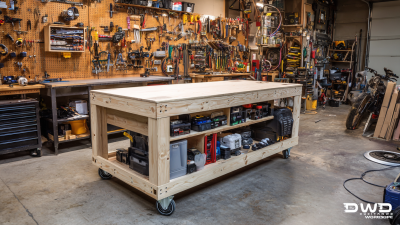
A work table can be a stainless-steel surface in a busy kitchen, a sturdy bench in a garage, or a height-adjustable station in a design studio. Each setting places different demands on the surface, frame, storage, and mobility. A table that handles wet ingredients may not suit delicate assembly work. The right choice depends on the task, the available space, and the tools used every day.
This guide introduces ten common types of work tables, including stainless-steel, butcher-block, packing, assembly, welding, mobile, wall-mounted, laboratory, computer, and height-adjustable models. It compares their practical strengths and limitations, such as load capacity, cleanability, stability, and ease of repositioning. These details matter. A wheeled table can save steps, but locking casters and floor conditions deserve a closer look. A thick top may feel reassuring, yet it can reduce usable space in a cramped room.
There is no universal best option. Work habits, room layout, and maintenance needs vary, and product specifications should be checked before purchase. Even a carefully chosen table can disappoint if its dimensions or surface are wrong for the job. This overview offers a grounded starting point for matching a table to real work—not a substitute for measuring your space and reviewing the manufacturer’s guidance.
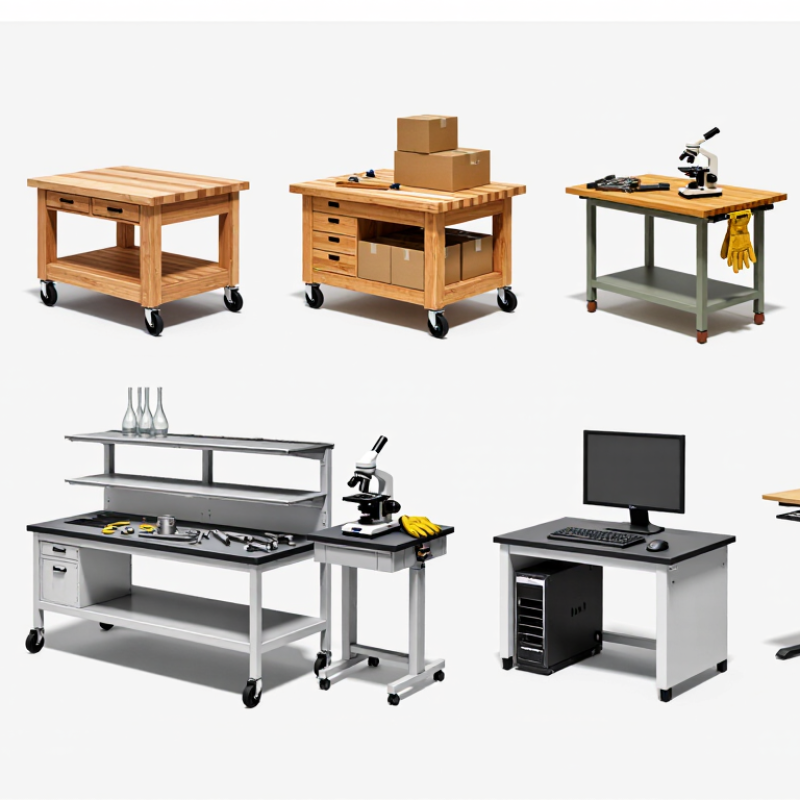
Work tables are best classified by the job they support, how they are built, and whether they stay put. A general-purpose workbench handles repairs and hand tools. Assembly tables provide open surfaces for fitting parts, while packing tables leave room for cartons and supplies. Machine tables support equipment and often need a rigid frame. Electronics benches may include grounding features and organized cable space. Small details matter.
Other types serve more specialized tasks. Welding tables use heat-resistant surfaces; laboratory tables prioritize cleanable worktops and chemical resistance suited to the task. Drafting tables tilt for drawing, and kitchen prep tables use smooth, washable surfaces. Mobile tool tables add casters for moving equipment between work areas. That makes ten common types, though real tables often overlap categories.
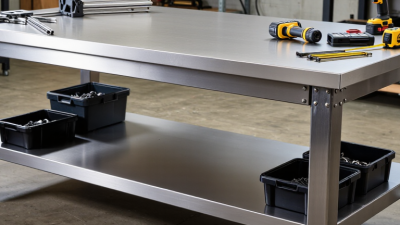
Construction affects stability and upkeep. Steel frames suit heavy loads, while wood tops can be easier on parts and tools. Stainless steel is common where frequent cleaning matters, but it is not automatically right for every chemical or process. Mobility is useful in shared spaces, yet wheels can introduce unwanted movement. Check load ratings, surface dimensions, locking casters, and the actual work routine before choosing. A table can look sturdy and still wobble under a side load.
Representative Work Surface Heights by Table Type
Work tables are commonly classified by purpose, construction, and mobility. The chart compares representative working heights for stainless-steel prep, butcher-block, assembly, welding, packing, machine, ESD, laboratory, folding, and height-adjustable tables. Heights are illustrative, not universal specifications; actual dimensions vary by model and task.
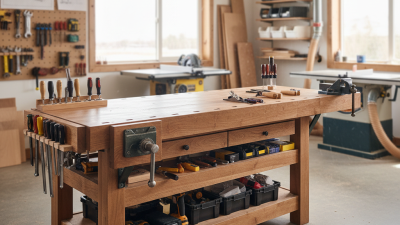
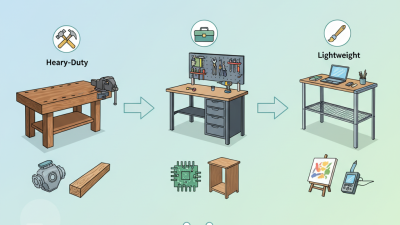
General-purpose, heavy-duty, and assembly work tables serve different production needs. Choosing by appearance alone is a common mistake. A general-purpose table suits packing, inspection, and light repairs. A clear top and reachable tools may matter more than a high load rating. Heavy-duty models suit dense parts, vises, and repeated impact. Check the rated capacity and whether it assumes evenly distributed loads. A concentrated motor or die can stress one corner. Assembly tables need room for fixtures, bins, and workers’ forearms. Height adjustment helps when tasks vary. Fit matters.
The U.S. Bureau of Labor Statistics reported 2.6 million nonfatal workplace injury and illness cases in private industry in 2023, or 2.4 cases per 100 full-time-equivalent workers. These figures come from its Employer-Reported Workplace Injuries and Illnesses report. They cover all private industries, not table-related incidents, so they do not prove that a particular bench prevents injury. OSHA ergonomics guidance advises keeping frequently used items within easy reach and reducing awkward postures. On an assembly bench, that might mean placing fasteners near the worker and raising a small fixture to avoid repeated bending. Teams sometimes choose a heavy table when an adjustable assembly surface would better fit the task. Review the work cycle, then revisit the setup after operators have used it.
| What Are the Top 10 Types of Work Tables? - General-Purpose, Heavy-Duty, and Assembly Work Tables | ||||
|---|---|---|---|---|
| Work Table Type | Typical Work Surface | Common Features | Typical Applications | Approximate Static Load Range |
| General-Purpose Work Table | Laminate, hardwood, or steel | Simple flat surface; may include a lower shelf or drawers | Light assembly, inspection, repairs, and everyday shop tasks | About 300–1,000 lb (136–454 kg) |
| Heavy-Duty Work Table | Thick steel, reinforced wood, or composite | Reinforced frame, sturdy legs, and high-capacity supports | Heavy components, industrial maintenance, and demanding production work | About 1,000–5,000 lb (454–2,268 kg) |
| Assembly Work Table | Laminate, hardwood, or static-dissipative material | Open work area; often configured for tools, bins, lighting, or parts storage | Product assembly, kitting, testing, and small-parts work | About 500–2,000 lb (227–907 kg) |
| ESD Work Table | Static-dissipative laminate or other ESD-safe surface | May support grounding points, wrist straps, and ESD-safe accessories | Handling sensitive electronic components in controlled work areas | About 300–1,000 lb (136–454 kg) |
| Packing and Shipping Table | Laminate, wood, or steel | May include a scale shelf, packaging-material holder, or lower shelf | Boxing, labeling, order fulfillment, and parcel preparation | About 500–1,500 lb (227–680 kg) |
| Welding Work Table | Thick steel, often with a flat or perforated top | Designed for hot work; some surfaces include clamping or fixturing holes | Welding, metal fabrication, and positioning workpieces | About 1,000–3,000 lb (454–1,361 kg) |
| Woodworking Workbench | Hardwood or laminated wood | May include a vise, dog holes, or clamping features | Hand-tool work, joinery, woodworking, and furniture repair | About 500–2,000 lb (227–907 kg) |
| Mobile Work Table | Steel, laminate, or hardwood | Casters for movement; locking wheels help secure the table during use | Flexible work areas, maintenance tasks, and moving tools or parts | About 300–1,000 lb (136–454 kg) |
| Height-Adjustable Work Table | Laminate, wood, or steel | Manual or powered height adjustment for different users or tasks | Ergonomic workstations, mixed seated and standing tasks, and changing workflows | About 300–1,500 lb (136–680 kg) |
| Machine or Tooling Work Table | Steel or another rigid, load-bearing material | Stable frame; may have a reinforced top or mounting provisions | Supporting tools, fixtures, compact equipment, or machine accessories | About 1,000–5,000+ lb (454–2,268+ kg) |
| Load figures are broad, approximate examples for static, evenly distributed loads. Actual capacity depends on the table design, surface, frame, accessories, and load placement; check the specific product rating before use. | ||||
Packing work tables need to keep cartons, tape, and labels within easy reach without crowding the work surface. A wide top helps when staff assemble large boxes, while a lower shelf can hold spare mailers and packing paper. Raised edges may stop small items from sliding off, but they can make sweeping away paper scraps less convenient. Measure the largest package and the available floor space before choosing a table. Small details matter. A tape dispenser mounted near the front edge can save repeated reaching, though its position may not suit every worker.
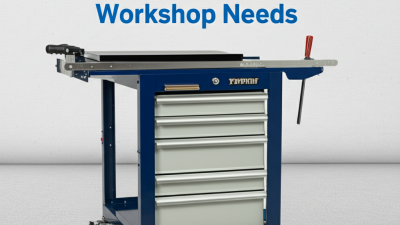
Repair work tables benefit from a sturdy, easy-to-clean surface and storage that keeps frequently used tools visible. A shallow drawer works for screws and bits; deeper drawers can hide parts and make them harder to find. Consider task lighting and a vise only if the work requires them. They add weight and take up usable space. Mobile work tables offer flexibility for changing layouts or moving jobs between stations. Locking casters help keep a table steady during work, but they do not compensate for an overloaded top. Check the table’s rated capacity and test its movement over the actual floor, including thresholds. I would review the setup after a week: a layout that looks efficient on paper can still force awkward reaches in daily use.
Adjustable-height work tables let you match the surface to the task and your posture. Raise the top for standing assembly, or lower it for seated repairs. This flexibility can reduce awkward reaching during jobs that take several hours. Look for a frame that adjusts smoothly and locks securely. Check the stated weight capacity, too, especially if you use a vise or store tools on the surface. The adjustment mechanism is useful, but it can add weight and cost.
Folding work tables suit shared rooms, temporary work areas, and projects that need a quick setup. Folded legs make storage easier beside a garage wall or beneath a shelf. A broad, stable top helps when cutting or sorting materials. Still, folding designs may wobble more than fixed tables on uneven floors. That can be frustrating. Inspect the hinges and leg locks, and test the table before placing heavy equipment on it. A compact table may also feel cramped once a project spreads out.
Tips: Match table height to your most common task. Check that all feet touch the floor, and keep the load within the manufacturer’s rating. If possible, try folding and locking the table before buying.
Cleanroom and laboratory work tables look similar, but their demands differ. A cleanroom table needs smooth, non-shedding surfaces, sealed joints, and few places for dust to collect. Stainless steel is common; its finish and welds matter as much as its appearance. ISO 14644-1:2015 sets a limit of 3,520 particles per cubic metre at 0.5 micrometres or larger for ISO Class 5 air, compared with 352,000 for Class 7. These are room-air limits, not table ratings. A table alone cannot achieve either classification. Airflow, cleaning routines, and operator practices also shape particle levels.
Laboratory tables face a different daily test: chemical spills, heavy instruments, and repeated wiping. The CDC/NIH Biosafety in Microbiological and Biomedical Laboratories, sixth edition, recommends surfaces that are readily cleaned and decontaminated. Choose tops compatible with the chemicals used, and check load capacity before placing a centrifuge or analyzer. Pay attention to the underside, too; a cable loop can trap dust or complicate cleaning. Small details count. I have seen specifications focus on the tabletop while overlooking seams and adjustable feet. That’s an easy gap to miss. A practical selection starts with the room’s classification, cleaning agents, equipment weight, and the work actually performed.
1901 West Main Street
Washington, MO 63090
Main Directory: 1-800-227-4873
Email: sale@pangcofurniture.com

We’re always looking for talented individuals to join our team. Send us your resume using the form below. When a position comes available that matches your skillset, one of our team members will reach out to you.
"*" indicates required fields