What Is the Best Workshop Table to Buy?
Choosing the best workshop table is less about finding the biggest or most expensive model and more about matching it to your work. A table that suits a compact garage may feel cramped when assembling cabinet doors. A heavy bench can stay steady under hand-planing, yet consume valuable floor space. Details matter.
Woodworking author Chris Schwarz is often associated with this useful principle: “A workbench is a tool, not a piece of furniture.” The idea shifts attention from appearance to performance. Does the top resist movement? Can you clamp a board near its edge? Are the legs stable on your actual floor? Small tests reveal a lot.
The right workshop table depends on the jobs you do most. For glue-ups, a broad, easy-to-clean surface helps. For cutting and sanding, stability and replaceable surface protection may matter more. If you build small projects, a compact table with storage could be the smarter choice. It depends.
This guide compares table styles, materials, dimensions, load capacity, and useful accessories. It also explains what to inspect before buying, including wobbly joints, awkward vises, and tops that feel too thin. A showroom surface can look solid beneath bright lights, then flex under real pressure. Not ideal.
There is no perfect table for every workshop. Even a well-chosen model may need a better vise or a sacrificial top later. That is worth acknowledging. The goal is a practical, dependable setup—not a flawless one.
Core Functions of a Workshop Table
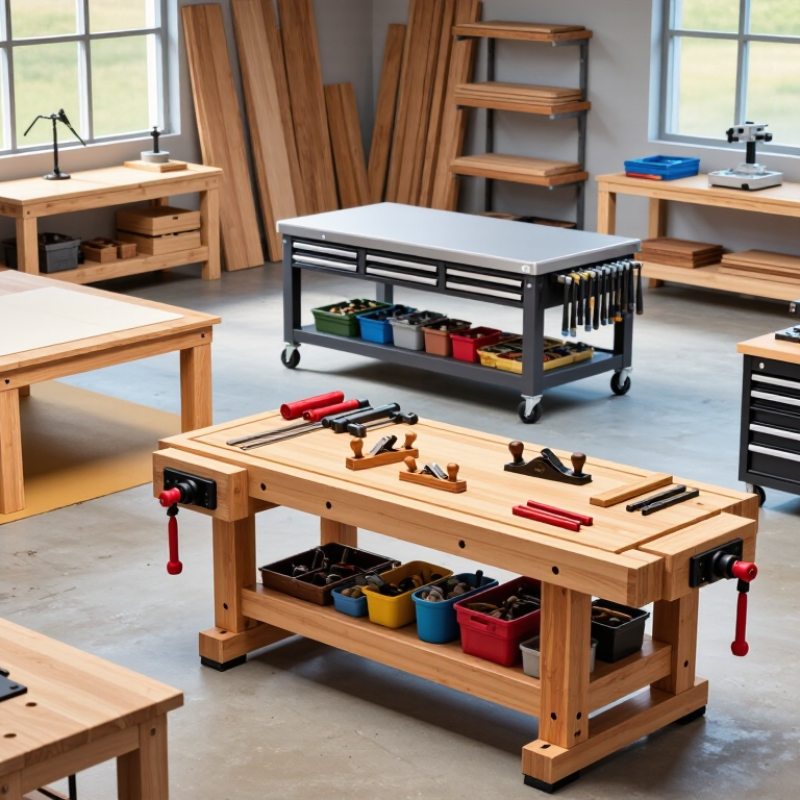
The core function of a workshop table is to hold work steady while hands, tools, and clamps do their jobs. A useful surface stays flat, resists movement, and gives clamps accessible edges. Stability matters. For sanding, a rocking bench transfers vibration into the workpiece; for assembly, a broad, clear top keeps small parts visible. Match the top material to the tasks, too: glue, oil, and scratches are ordinary, not exceptional. I would check the frame joints and feet before judging a table by its advertised load rating. A heavy rating means little if the table twists under a side load.
Height and workholding affect comfort and control. The U.S. Bureau of Labor Statistics’ 2023 Survey of Occupational Injuries and Illnesses reported 2.6 million nonfatal cases in private industry, or 2.4 cases per 100 full-time-equivalent workers. That figure does not prove a better bench prevents injuries, but it reinforces the value of reducing awkward reaches and unstable handling. OSHA’s ergonomics guidance likewise emphasizes fitting work to the worker and task. Choose a height that lets you keep your shoulders relaxed during precision work; heavier planing may call for a lower stance. Adjustable feet help on uneven floors. Storage is useful only when it keeps frequently used tools within reach without crowding the work area. I still underestimate that last point sometimes. A clear clamp zone is worth more than another drawer. Verify dimensions, load limits, and replacement-part availability before buying. The table should support the work, not dictate it.
Main Types of Workshop Tables
What Is the Best Workshop Table to Buy?
Main Types of Workshop Tables
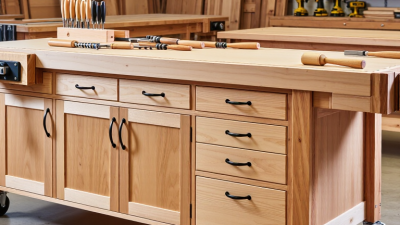
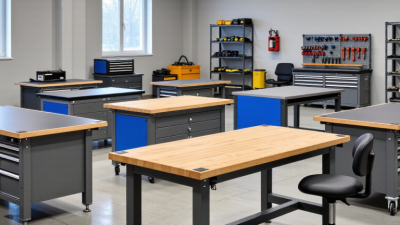
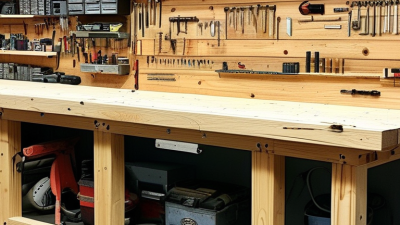
The best choice depends on the work: fine assembly needs a steady surface, while heavy repairs need a strong frame. Fixed workbenches suit dedicated spaces and can handle repeated clamping or hammering. Adjustable-height tables help when tasks alternate between sitting and standing, though stability matters at every height. Mobile tables add flexibility in small garages. Lockable wheels are essential; a rolling table that shifts under pressure is frustrating. The U.S. Bureau of Labor Statistics reported 2.6 million nonfatal workplace injuries and illnesses in private industry in 2023, or 2.4 cases per 100 full-time workers. That figure does not prove a particular table prevents injuries, but it reinforces the value of stable, task-appropriate work areas.
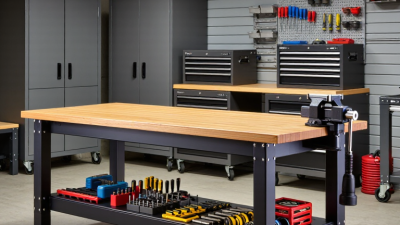
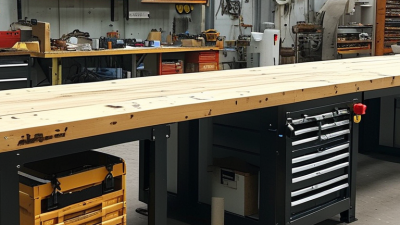
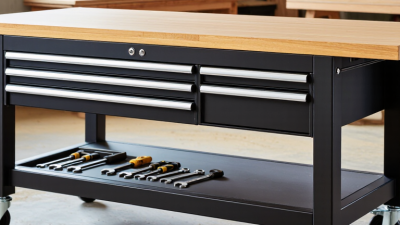
Assembly tables offer broad, often flat surfaces for laying out parts, measuring, and joining components. Steel frames tolerate demanding shop use, while thick wood tops are kinder to tools and can be resurfaced. Check the load rating, top thickness, and leg bracing before buying. A table can look solid and still wobble. I would measure the largest project first; people often underestimate the space needed for parts and clamps.
Tips: Match table height to your main task. Test for wobble, and leave room for drawers, clamps, and your feet. Don’t buy only for appearance.
Workshop Table Types: A Practical Comparison
Compare common workshop table types across four practical features. Scores are qualitative guides based on typical designs, not standardized product ratings.
Higher scores indicate a stronger typical fit for that feature. A woodworking bench or machine-tool bench prioritizes stability; a mobile workbench is easier to move; and an adjustable-height bench offers the most flexibility in working height. Check a specific table’s load capacity, dimensions, and adjustment range before buying.
Materials, Dimensions, and Load Capacity
A workshop table should match its materials to the work: timber absorbs vibration, while steel handles frequent clamping and abrasion. The USDA Forest Products Laboratory’s Wood Handbook (FPL-GTR-282, 2021) explains how changing moisture content can alter wood dimensions. A solid-wood top may need occasional flattening. Plywood is more stable, but exposed edges can wear. Small trade-offs matter.
For general repair work, a top around 24–30 inches deep gives room for tools without pushing them out of reach. Choose length based on your largest regular project, not a rare one. Set height near your elbow for detailed assembly; lower it for forceful hand-tool work. These are practical starting points, not universal ergonomic limits. Measure your stance.
Read load ratings carefully. A table rated for evenly distributed weight may behave differently under a heavy machine concentrated on four feet. Add the machine, workpiece, clamps, and likely downward force before comparing ratings. Leave a safety margin. ANSI/BIFMA X5.5-2021 describes strength and stability tests for desks and tables, but its scope is office furniture, not workshop benches. Treat it as a reference, not proof of workshop suitability. I would still check the maker’s test conditions and inspect the frame joints; published ratings can hide useful details.
Features That Affect Stability, Storage, and Safety
What Is the Best Workshop Table to Buy?
Features That Affect Stability, Storage, and Safety
A stable workshop table should resist rocking when you clamp a board near one corner. Look for a rigid frame, cross-bracing, adjustable leveling feet, and a clearly stated load rating. Check whether that rating applies to evenly distributed weight or a concentrated load. They are not the same. NIOSH’s Revised Lifting Equation sets a 51-pound recommended limit only under ideal lifting conditions; reaching, twisting, or frequent lifts lower it. This is ergonomic guidance, not a table-capacity rating, but it highlights why working height and clear access matter.
Storage can improve workflow, yet heavy drawers placed high may make a table feel top-heavy. Keep dense tools low, secure drawer contents, and check that casters lock firmly before sawing or sanding. Rounded edges and space for clamps also reduce snags and awkward hand positions. The U.S. Bureau of Labor Statistics reported a 2.4 total-recordable-case rate per 100 full-time-equivalent workers in private industry in 2023. That broad injury measure is not specific to worktables, but it is a useful reminder to assess hazards around the whole workstation. I would not judge stability by weight alone; a heavy table can still wobble on an uneven floor.
How to Match a Workshop Table to Your Work and Budget
The best workshop table is the one that fits your work, not the one with the most features. Measure the floor space, including room to open drawers and move around a project. A 24- to 30-inch-deep surface may suit smaller repairs, while larger assemblies need more support. Measure the footprint first. Also check the table’s rated load against your heaviest tools and materials.
Match the top to the work. Solid wood can be repaired and is comfortable for handwork, but it may need occasional care. Steel tolerates rough use, though small parts can slide across it. A replaceable hardboard layer can protect a sturdy top from glue and scratches. Stability matters more. If the table wobbles while you plane or sand, its size and finish will not make up for it. Look for bracing, adjustable feet, and a height that feels natural during a typical task.
Set a budget that includes more than the table itself. Vises, storage, lighting, and a protective top can add up. A simpler bench may be the better choice if it leaves room for those essentials. Small details count. Check how easily the table can be assembled, moved, or repaired. I would not pay extra for storage before deciding what tools need to stay within reach; that choice is easy to get wrong. For occasional projects, a compact table may be enough, while daily work can justify a heavier, more durable build.