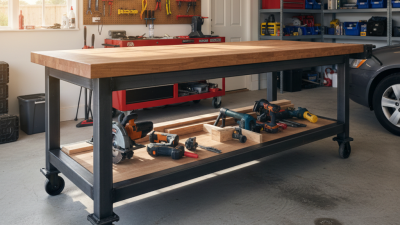
What Is a Tool Chest Workbench and How to Choose One?
A tool chest workbench combines a usable work surface with drawers or cabinets for storing tools. It can make a garage easier to organize, especially when sockets, pliers, and fasteners otherwise end up scattered across a bench. Some models include locking casters, a backboard, or a built-in power strip; features vary by design. The right setup depends on the work you actually do. That matters.
Before comparing models, consider where the bench will sit and what it must hold. Measure the floor space, doorways, and working clearance around the unit. A deep cabinet may offer welcome storage, but it can crowd a narrow garage. Think about the surface, too: steel is easy to wipe clean, while wood can feel more forgiving when assembling parts. Neither is ideal for every task. A mat may help protect the top from scratches and spills.
Choosing well means checking details, not just drawer count or appearance. Review the stated load capacity, drawer dimensions, wheel locks, and warranty information. Confirm whether the work surface and storage sections support the tools you plan to keep there. If possible, inspect drawer action and overall stability in person. A photo cannot show everything. A tool chest workbench should fit your workspace, work habits, and budget—not merely look substantial. Even careful research leaves a little uncertainty, so prioritize practical needs over features you may never use.
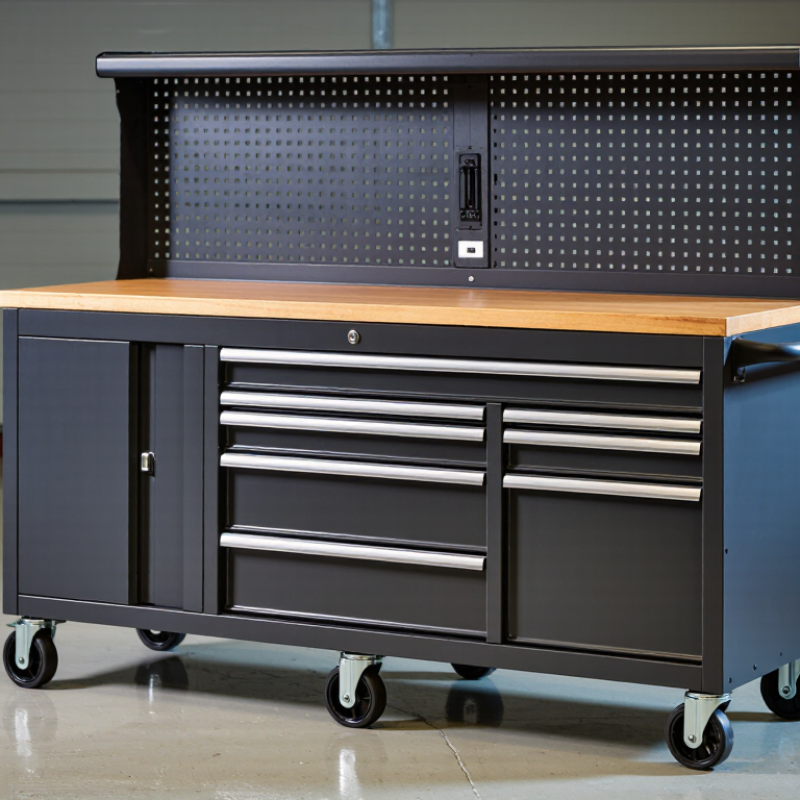
What Defines a Tool Chest Workbench: Frame, Top, Drawers, and Base
What Is a Tool Chest Workbench and How to Choose One?
What Defines a Tool Chest Workbench: Frame, Top, Drawers, and Base
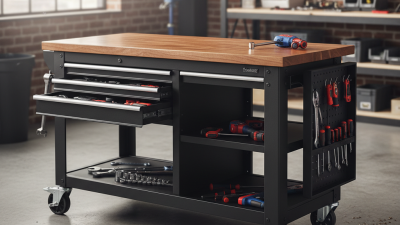
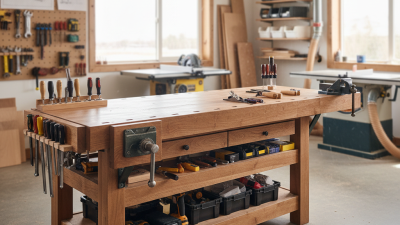
A tool chest workbench combines a work surface with built-in storage. Its frame supports the top and drawers, so check for sturdy joints and minimal wobble. A solid top should handle routine clamping and light impacts without flexing. Wood can be repaired or resurfaced; metal is often easier to wipe clean. Neither material is perfect for every shop.
Drawers keep tools visible and within reach. Look for smooth slides, useful depths, and enough capacity for heavier hand tools. A drawer that sticks when loaded gets frustrating quickly. The base matters, too: fixed legs offer stability, while locking casters make repositioning easier. Check the workbench’s weight rating and measure your available floor space before choosing. I would not judge capacity by drawer count alone; dimensions and load limits tell more.
Tips: Bring your largest tools’ measurements when comparing drawer sizes. Test the drawer slides, inspect the frame corners, and press down on the top to check for movement. Leave room to stand and open drawers fully. A small detail, but it can change daily use.
What Is a Tool Chest Workbench and How to Choose One?
Material density can help you compare the weight implications of a workbench’s frame, top, drawers, and base.
Approximate density: steel 7.85 g/cm³; hardwood 0.75 g/cm³; plywood 0.65 g/cm³. Actual values vary by alloy, species, grade, and moisture content. Density alone does not determine strength or load capacity; compare the complete frame, worktop, drawer slides, and base construction.
Compare Mobile, Fixed, and Modular Benches by Shop Workflow
What Is a Tool Chest Workbench and How to Choose One?
Compare Mobile, Fixed, and Modular Benches by Shop Workflow
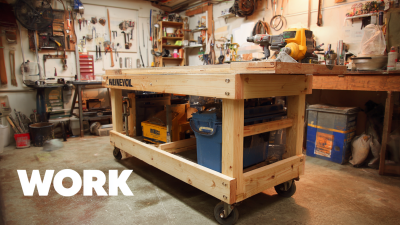
A tool chest workbench combines a work surface with built-in storage, keeping frequently used tools close at hand. The right style depends less on appearance and more on how work moves through your shop. A mobile bench suits shared spaces or jobs that shift between rooms. Locking casters help steady it, but wheels can still feel less solid during heavy filing or forceful clamping.
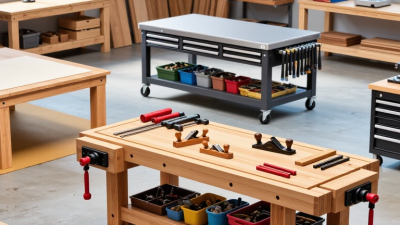
A fixed bench offers a stable surface for repeat tasks, such as assembling parts or sharpening tools. It works well when your layout rarely changes and floor space is available. Modular benches allow drawers, cabinets, and work surfaces to be arranged around changing needs. That flexibility is useful, though mismatched modules can waste space or make tools harder to reach. Measure your largest tool and the aisle clearance before choosing; small layout errors become annoying quickly.
Tips: Match drawer depth to the tools you actually store, and check the bench’s rated load. Test whether drawers open fully beside nearby equipment. Keep heavy tools low to reduce tipping risk. A mobile bench can be convenient, but it may not replace a genuinely rigid worktop.
Match Worktop Dimensions and Storage Capacity to Your Tools
A tool chest workbench pairs a load-bearing worktop with drawers or cabinets for tools and supplies. Choose the top by measuring your largest tools and the work you actually perform. A vise, for example, needs a sturdy mounting area, while a long-handled wrench needs enough clear space to turn. Measure twice. Leave room for a task light and parts tray, not just the tool itself.
Match the worktop height to the task and your posture. OSHA’s ergonomics guidance recommends arranging work to reduce awkward reaching and bending; try a representative task before settling on a fixed height. The U.S. Bureau of Labor Statistics reported a 2.4 total recordable case rate per 100 full-time-equivalent workers in 2023. That figure does not prove a particular bench prevents injuries, but it is a useful reminder to treat reach and posture as practical design concerns.
For storage, count the tools you use weekly, then group them by size and frequency. Shallow drawers keep sockets visible; deeper drawers suit drills or bulky equipment. Check drawer depth, load ratings, and whether open drawers block your knees or nearby walkways. A cabinet that looks spacious can still waste space if its dividers do not fit your tools. I would leave some capacity unused; collections change, and a perfectly packed chest is frustrating.
Verify Load Ratings and Stability Under OSHA 29 CFR 1910.176(b)
A tool chest workbench combines a work surface with drawers or cabinets for tools and parts. Its safe capacity depends on the frame, top, casters, and how weight is distributed. Check the manufacturer’s stated load rating, and clarify whether it applies to the whole bench or each drawer. OSHA 29 CFR 1910.176(b) says stored materials must not create a hazard. It calls for stable, secure storage, but does not set a universal workbench load rating.
Check the rating. Add the weight of tools, a vise, and materials that may sit on the top together. Compare that total with the stated capacity, and follow any separate limits for drawers or shelves. A heavy vise near one corner can make a bench feel unsteady even when the total load appears acceptable. That detail is easy to miss.
Keep it level. Inspect the floor, feet, casters, and locking mechanisms before loading the bench. On a sloped or uneven floor, a rolling unit may shift when a drawer opens. Keep heavier tools low and distribute them across the frame. If the bench rocks, rolls unexpectedly, or has bent supports, unload it and address the cause before use. Anchoring may help, but only when the manufacturer permits it and the surface is suitable. Don’t guess. A quick push test is useful, but it cannot replace checking the rating and inspecting the structure.
Assess Tool-Drop Risks Using ANSI/ISEA 121-2018 Criteria
What Is a Tool Chest Workbench and How to Choose One?
Assess Tool-Drop Risks Using ANSI/ISEA 121-2018 Criteria
A tool chest workbench combines a sturdy work surface with organized, nearby storage. Choose one with a stable frame, drawers that open smoothly, and enough space for your usual tasks. Check the loaded unit for wobble. A tidy bench helps, but it cannot secure a tool once someone carries it to an elevated work area. Dropped-object risks may arise when workers use ladders or platforms above coworkers.
ANSI/ISEA 121-2018 addresses dropped-object prevention solutions, not workbench certification. Use its principles to assess tools that could fall: identify where people may be exposed, consider each tool’s weight and shape, and select compatible attachment points, connectors, and tool tethers with suitable ratings. Inspect these components regularly for wear, loose fittings, or damage. Keep access routes clear, too. One detail is easy to miss: accessories can change a tool’s total weight. Record what was checked, and reassess when tools or tasks change.
Tips: Secure tools before elevated work begins. Match tether capacity to the tool’s total weight, including attachments. Keep tethering equipment in good condition. A checklist helps, though it may not catch every awkward setup; review the actual work area.